
Small fabric changes that actually make a difference — without sacrificing comfort or style
Let’s be real: most of us have closets and linen cabinets stuffed with cheap polyester blends and conventionally grown cotton that’s been drenched in pesticides. The good news? Swapping out your home textiles for sustainable alternatives isn’t the overwhelming lifestyle overhaul it sounds like. Linen, organic cotton, and responsibly sourced wool are softer, last longer, and don’t wreck the planet in the process. Here are 13 swaps to start with — one room at a time, one fabric at a time.
1. Swap Polyester Bed Sheets for Linen
Polyester sheets trap heat, generate static, and shed microplastics every time you wash them. Linen does the opposite. It’s thermoregulating (cool in summer, warm in winter), gets softer with every wash, and is made from flax — a crop that needs minimal water and zero pesticides. Yes, it wrinkles. That’s the point. The lived-in, slightly rumpled look is what makes a bed feel actually inviting instead of hotel-stiff. A good linen sheet set will last you a decade or more.
Best WeightMedium-weight (160–190 gsm) for year-round use
Brands to TryPiglet in Bed, Cultiver, Rough Linen
2. Trade Microfiber Towels for Organic Cotton
Microfiber towels are basically tiny plastic sheets. They shed fibers that end up in waterways, and they start smelling funky faster than natural fabrics. Organic cotton towels — especially those with GOTS certification — are grown without synthetic pesticides or fertilizers, processed without harmful chemicals, and they actually get absorbent with use instead of repelling water at first like microfiber does. Go for a heavier Turkish or Egyptian weave for bath towels, lighter for kitchen and hand towels.
Pro TipSkip fabric softener — it coats fibers and kills absorbency
Sustainable PickUnder the Canopy, Coyuchi, Pact
3. Replace Polyester Throw Blankets with Merino Wool
That $20 polyester throw from a big-box store? It’s basically a wearable fossil fuel product. Merino wool is biodegradable, naturally fire-resistant (no chemical flame retardants needed), and incredibly warm for its weight. It also wicks moisture and resists odors, so you don’t need to wash it nearly as often. Look for mulesing-free merino from farms with transparent animal welfare practices. A single good wool throw will outlast five synthetic ones.
Care TipSpot clean and air out — wool doesn’t need frequent washing
Best BrandsWoolroom, The Tartan Blanket Co., Faribault Mill
4. Ditch Synthetic Curtains for Linen Drapes
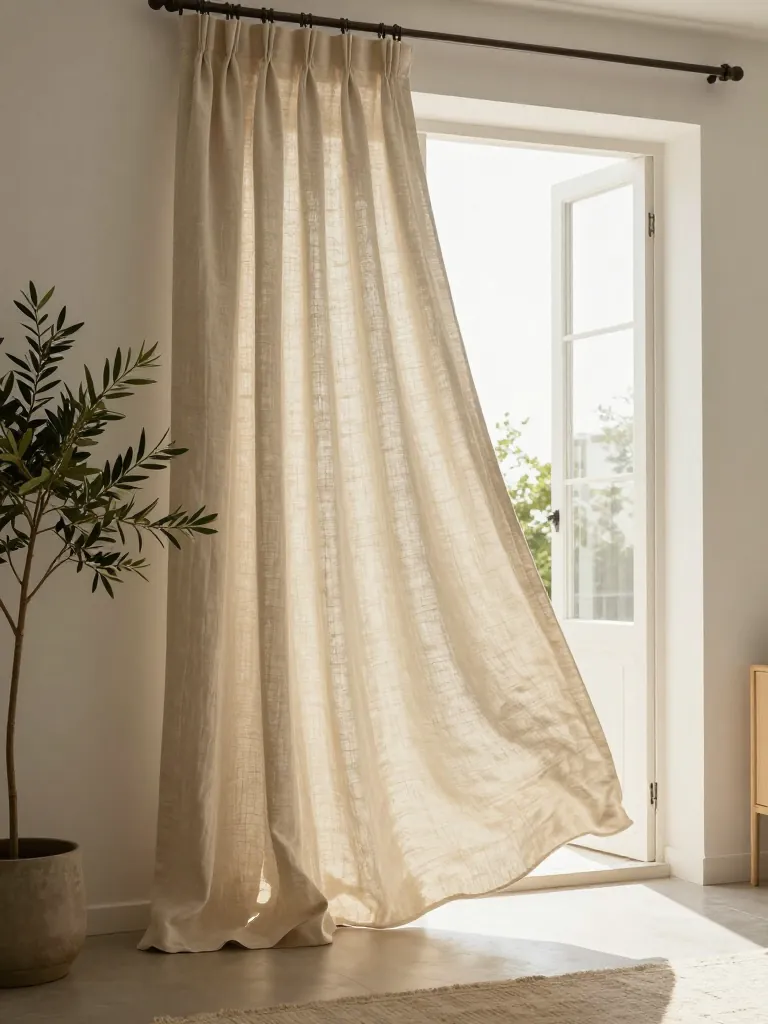
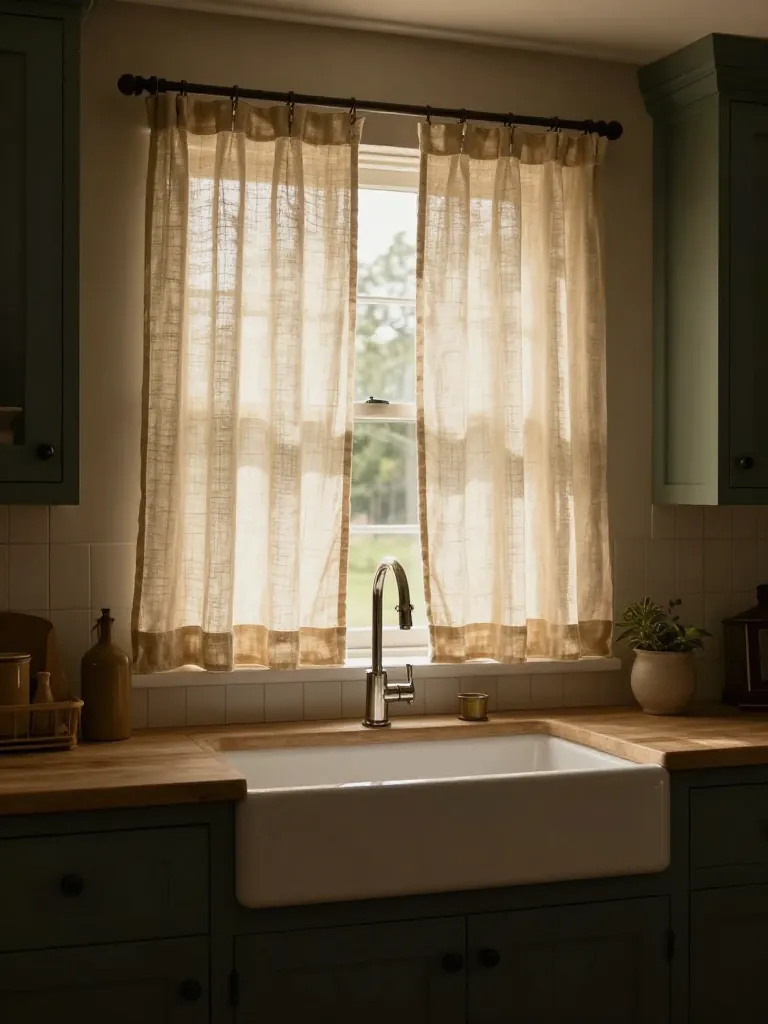
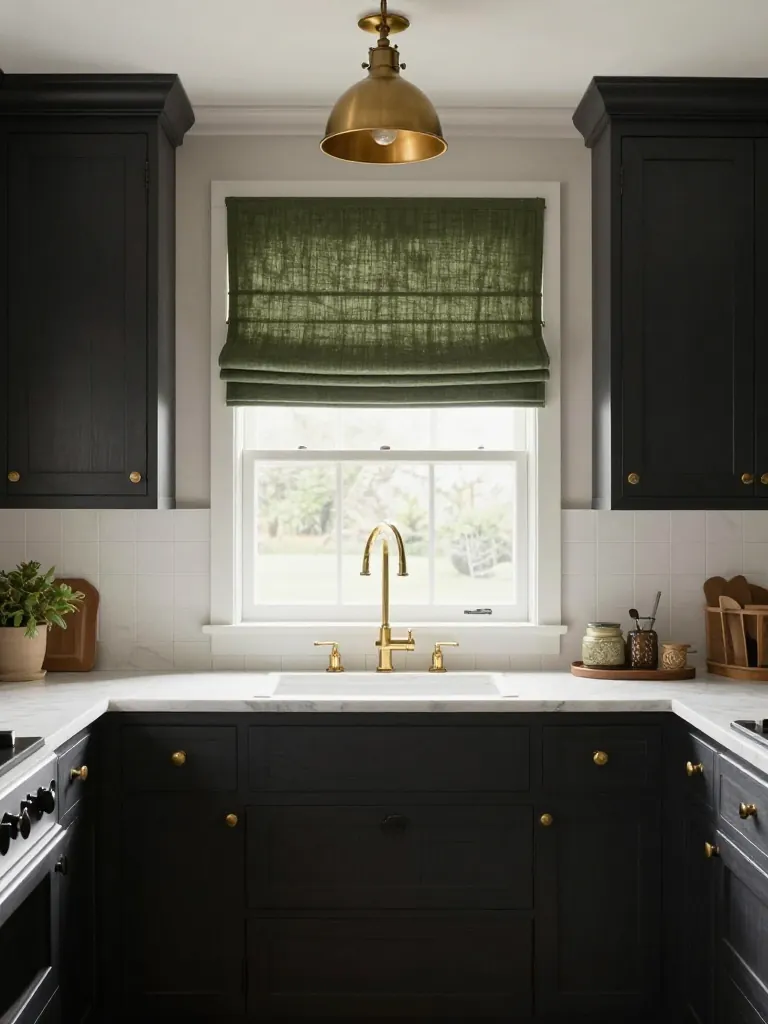
Synthetic curtains (polyester, nylon) off-gas VOCs, especially when new, and they don’t breathe — making rooms feel stuffy. Linen drapes filter light beautifully, creating that soft, diffused glow that makes any room look like it belongs in an interiors magazine. They also improve with age, developing a gentle drape that stiff new fabric can’t replicate. For privacy, go with a medium-weight linen or add a simple cotton liner. No blackout polyester needed.
Hang TipMount rods 4–6 inches above the window frame for height illusion
SourcesMagicLinen, LinenMe, IKEA AINA (budget pick)
5. Swap Conventional Cotton Pillows for Wool-Filled
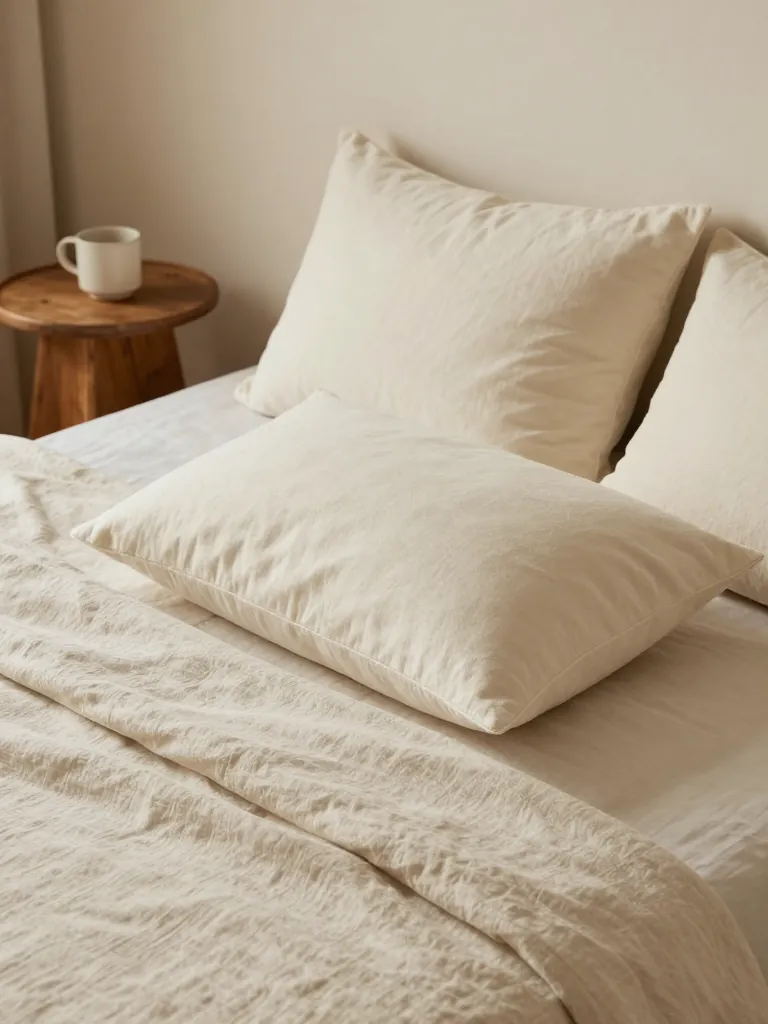
Conventional cotton pillows compress flat within a year and often contain polyester fill or chemical flame retardants. Wool-filled pillows are a game-changer. Wool naturally regulates temperature (no more flipping the pillow to the “cool side”), wicks moisture away from your head, and is naturally resistant to dust mites and mold. They hold their loft for years. Go for shredded wool fill if you like a softer pillow, or layered wool batting for firmer support.
Fill TypesShredded = softer, layered batting = firmer support
TryWoolroom, Holy Lamb Organics, Soaring Heart
6. Replace Polyester Rugs with Jute or Organic Wool
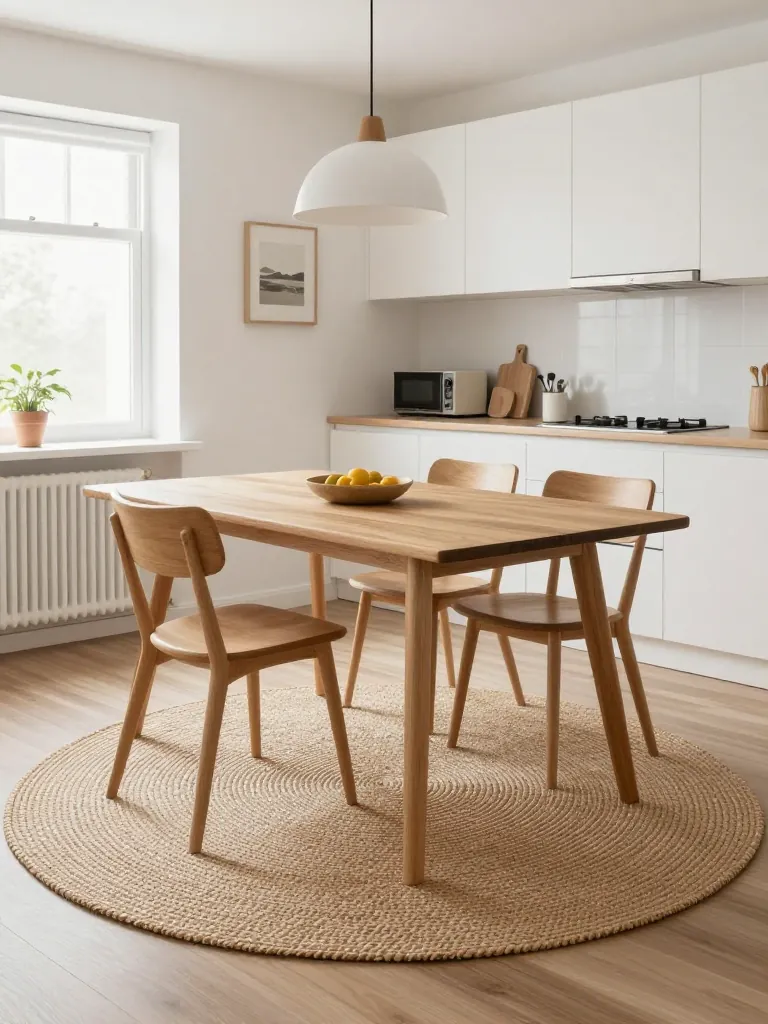
Most affordable rugs are polyester or polypropylene — plastic, basically. They shed microfibers, don’t breathe, and end up in landfills where they’ll sit for centuries. Jute rugs bring incredible texture and warmth at a reasonable price point, and they’re fully biodegradable. For softer areas like bedrooms, organic wool rugs are durable, naturally stain-resistant, and feel amazing underfoot. Either way, you’re stepping on something that came from the earth and can return to it.
Best for ComfortOrganic wool — softer underfoot, naturally resilient
Budget HackLayer a small wool rug over a large jute one for both texture and softness
7. Trade Fleece Throws for Organic Cotton Waffle Knit
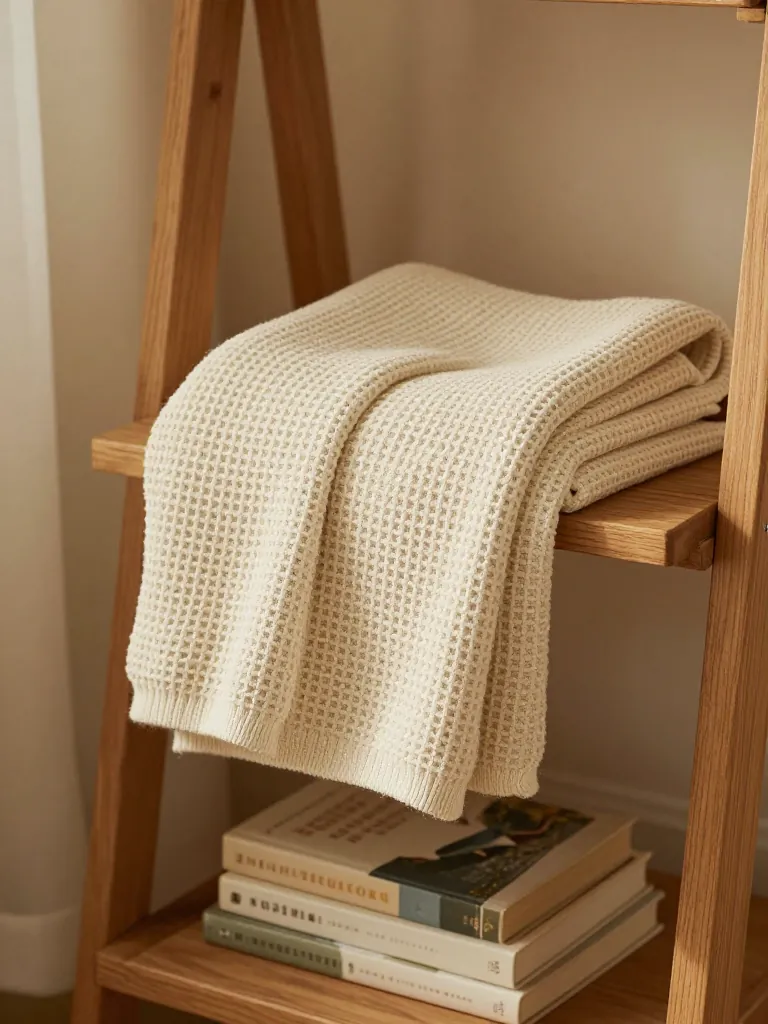
Fleece is polyester. Full stop. It’s one of the biggest microplastic shedders in your home. Organic cotton waffle knit throws give you that same cozy, casual vibe without the environmental guilt. The textured weave adds visual interest, and the open structure means they’re breathable enough to use year-round. They also pack flat for storage and dry quickly after washing. For cooler climates, layer a waffle knit with a wool throw instead of reaching for fleece.
Year-Round UseBreathable enough for summer, layerable for winter
Go-To BrandsPact, Coyuchi, Boll & Branch
8. Swap Conventional Upholstery for Linen or Hemp Blends
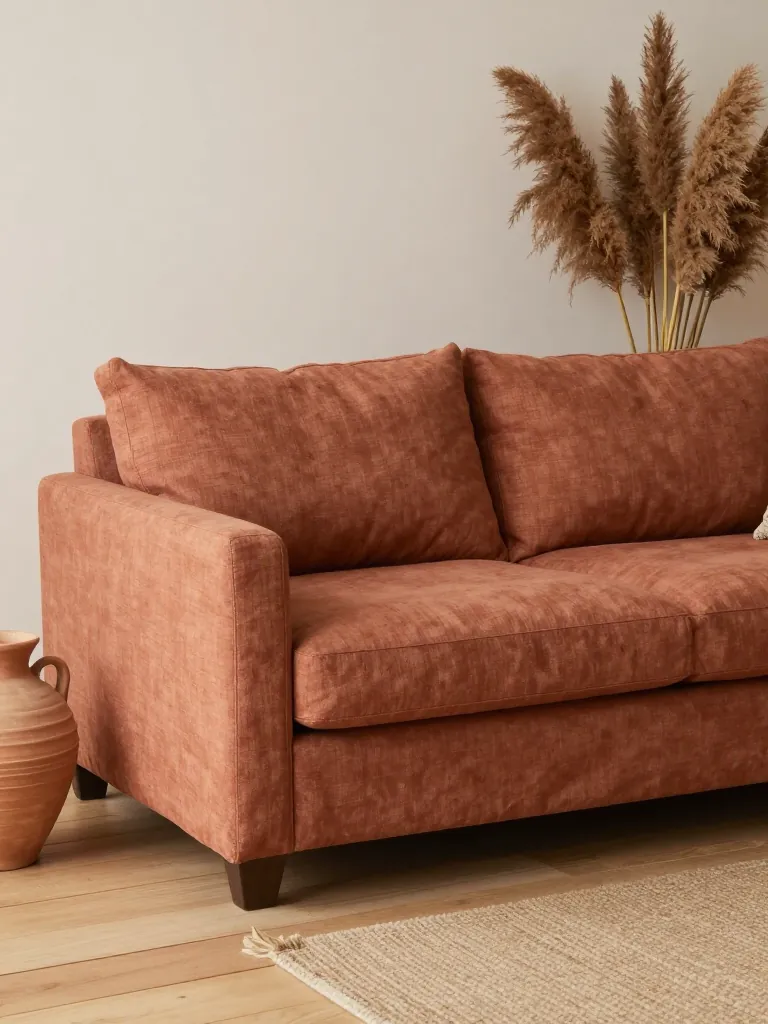
Most budget sofas are upholstered in polyester or polyester-blend fabric that pills, traps odors, and looks worn within a couple of years. Linen and hemp blends are naturally stronger (hemp is literally one of the strongest natural fibers), more breathable, and develop a beautiful patina over time. Hemp in particular softens dramatically with use while maintaining its structural integrity. Look for GOTS-certified linen or hemp-blend fabrics if you’re reupholstering, or choose furniture brands that offer natural fabric options.
Blends WorkLinen-hemp or linen-cotton blends balance softness and strength
Where to SourceSailrite (DIY), Cisco Home, Medley (furniture brands)
9. Replace Nylon Shower Curtains with Hemp or Organic Cotton
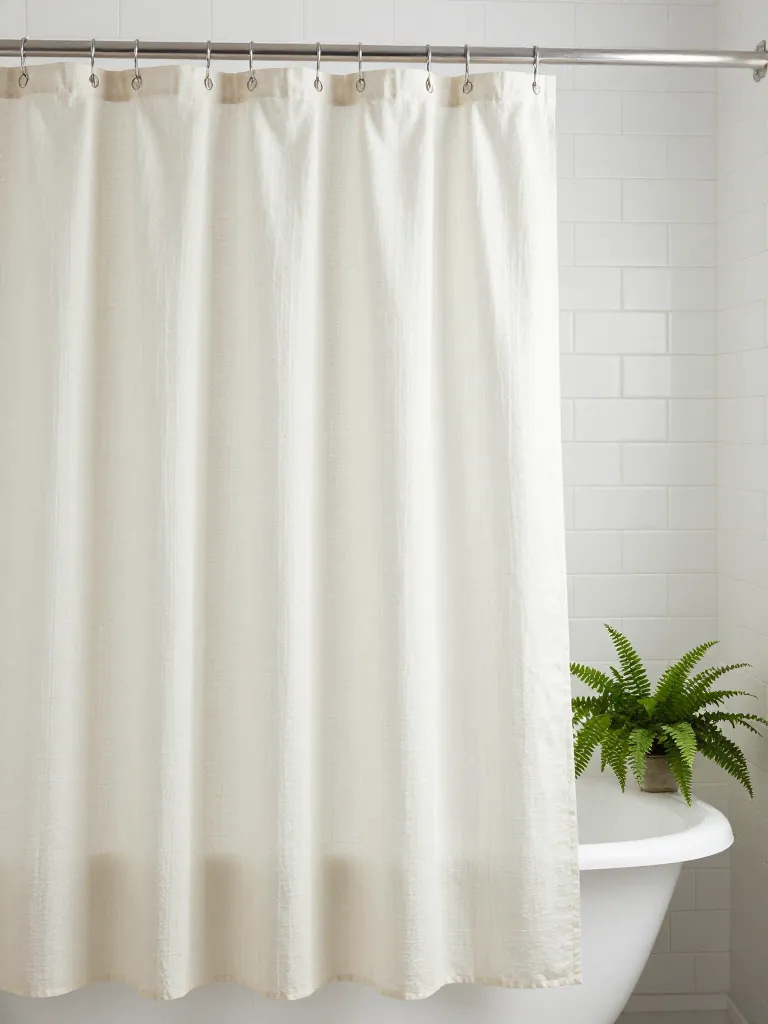
That vinyl or PEVA shower curtain? It off-gasses chemicals, especially in a hot, steamy bathroom, and it’s essentially a single-use plastic that gets replaced every few months when it gets gross. Hemp shower curtains are naturally antimicrobial and mold-resistant — they actually get better with water exposure. Organic cotton canvas curtains with a water-resistant coating work too. Either option is washable, reusable for years, and won’t fill your bathroom with that new-shower-curtain chemical smell.
MaintenanceMachine wash monthly, hang to dry
OptionsRawganique, The Ultimate Green Store, Fog Linen
10. Swap Down Comforters for Organic Wool Duvets
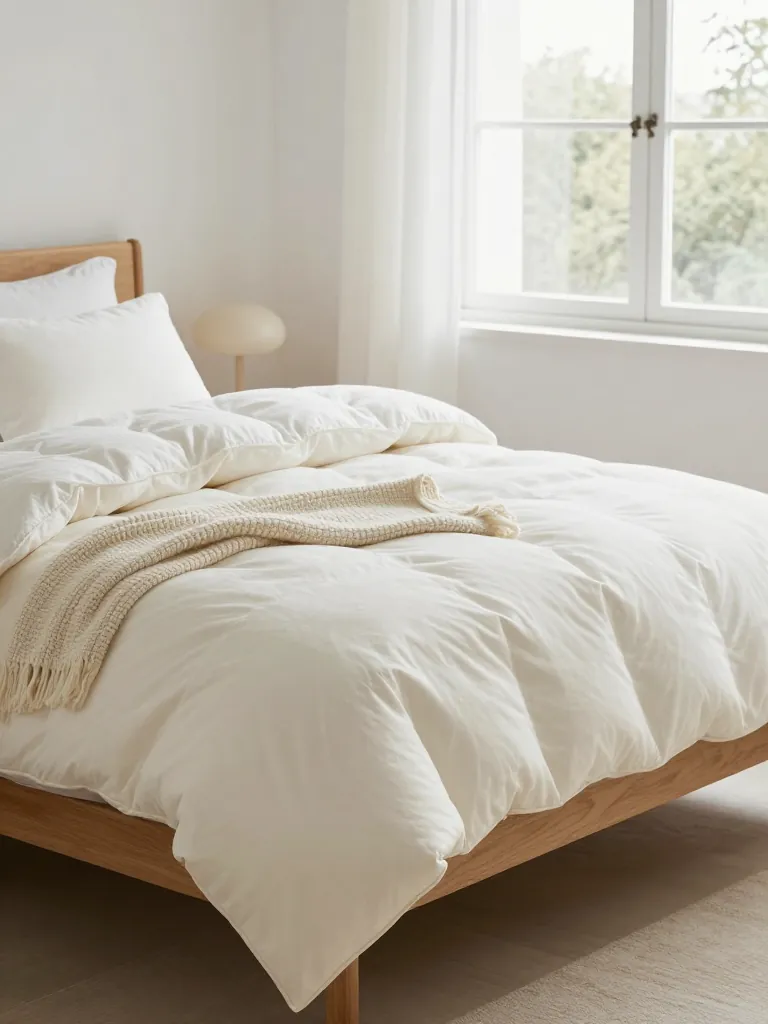
Down comforters are warm, sure, but the sourcing can be ethically questionable, and the feather-and-down fill clumps over time requiring constant fluffing. Organic wool duvets regulate temperature better than any other fill material — studies show wool bedding can improve sleep quality by helping maintain a stable core body temperature. They’re also naturally hypoallergenic, resist dust mites, and don’t need the aggressive shaking and fluffing that down does. A wool duvet is heavier than down, which some people actually prefer for the gentle pressure effect.
Weight NoteHeavier than down — great if you like a weighted feel
Best BrandsWoolroom, Sömn Home, Shepherd’s Dream
11. Trade Kitchen Sponges for Organic Cotton Dishcloths
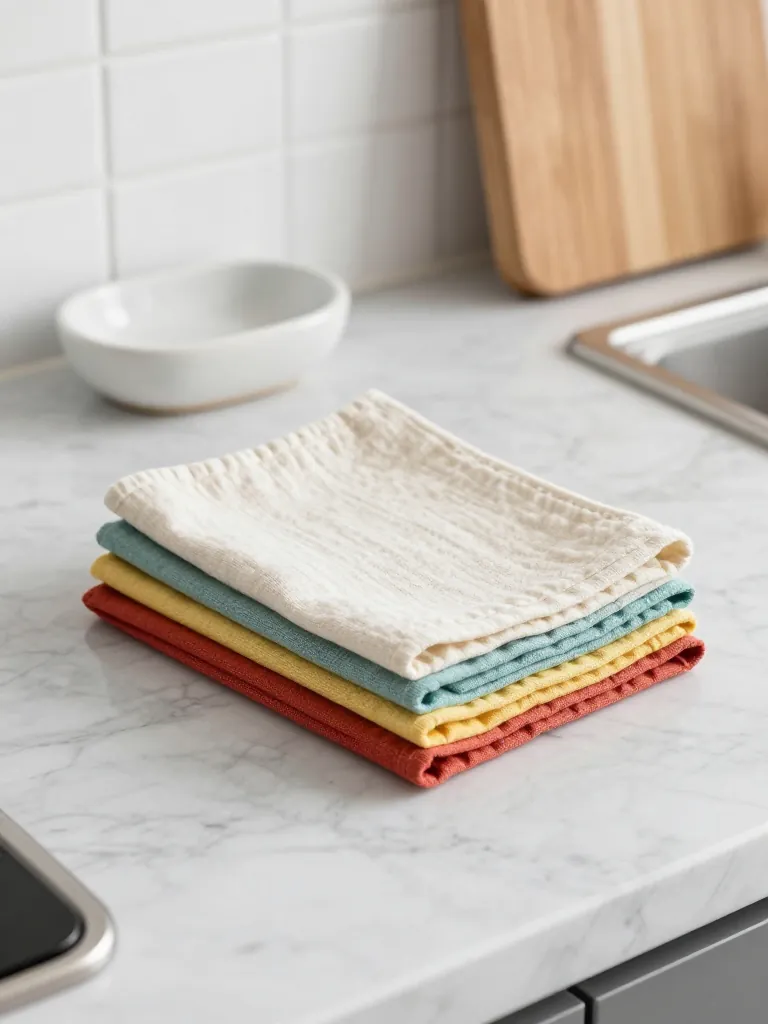
Kitchen sponges are one of the grossest things in your home — they harbor bacteria, can’t be effectively sanitized, and get tossed in the trash every week or two, heading straight to the landfill. Organic cotton dishcloths (Swedish dishcloths are a great hybrid option — cotton-cellulose blend) are washable, last for months, and actually clean better because you can sanitize them by boiling or running through the dishwasher. They dry faster than sponges too, which means less bacterial growth between uses.
Cost SavingsOne cloth replaces 15–20 disposable sponges
TryTen and Co., SKOY, Three Bluebirds
12. Replace Polyester Table Linens with Linen Napkins and Tablecloths
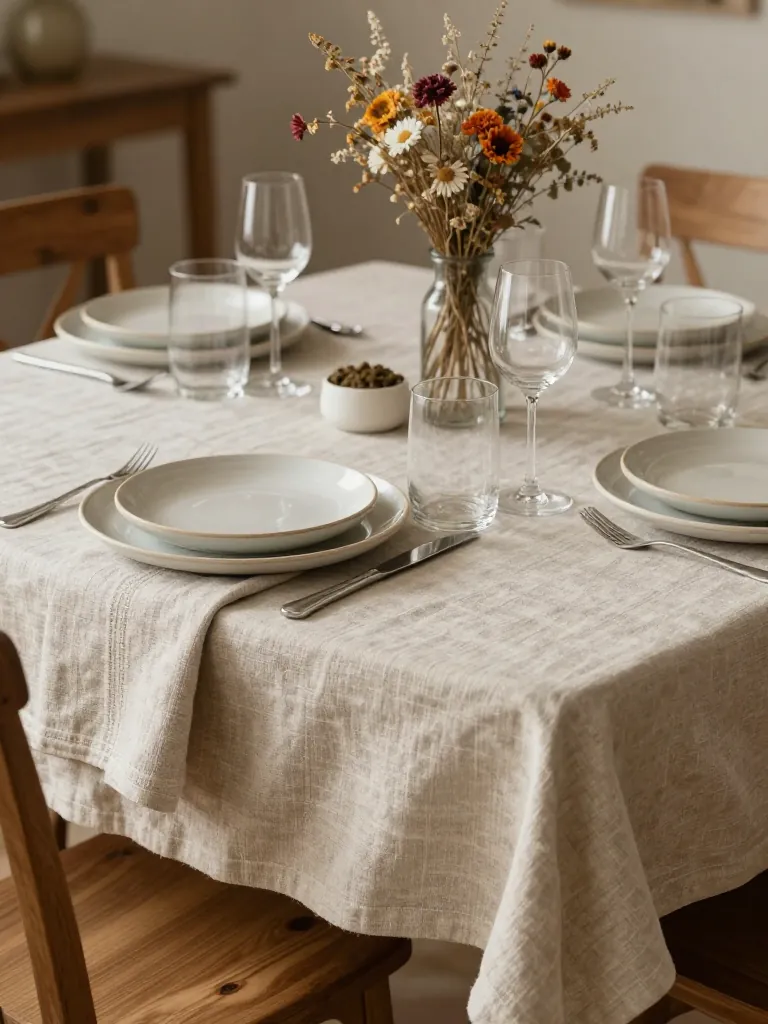
Polyester tablecloths and napkins look cheap up close, don’t absorb spills well (the liquid just sits on top and slides off onto your lap), and take forever to decompose. Linen napkins are one of those small upgrades that genuinely make daily meals feel more intentional. They absorb beautifully, soften with every wash, and come in gorgeous natural and plant-dyed colors. A simple linen tablecloth in oatmeal or natural flax turns an ordinary Tuesday dinner into something a little more special — without any extra effort.
Stain TrickLinen actually looks better slightly stained — it adds character
SourcesMagicLinen, Rough Linen, LinenMe
13. Swap Acrylic Throws for Alpaca Wool Blankets
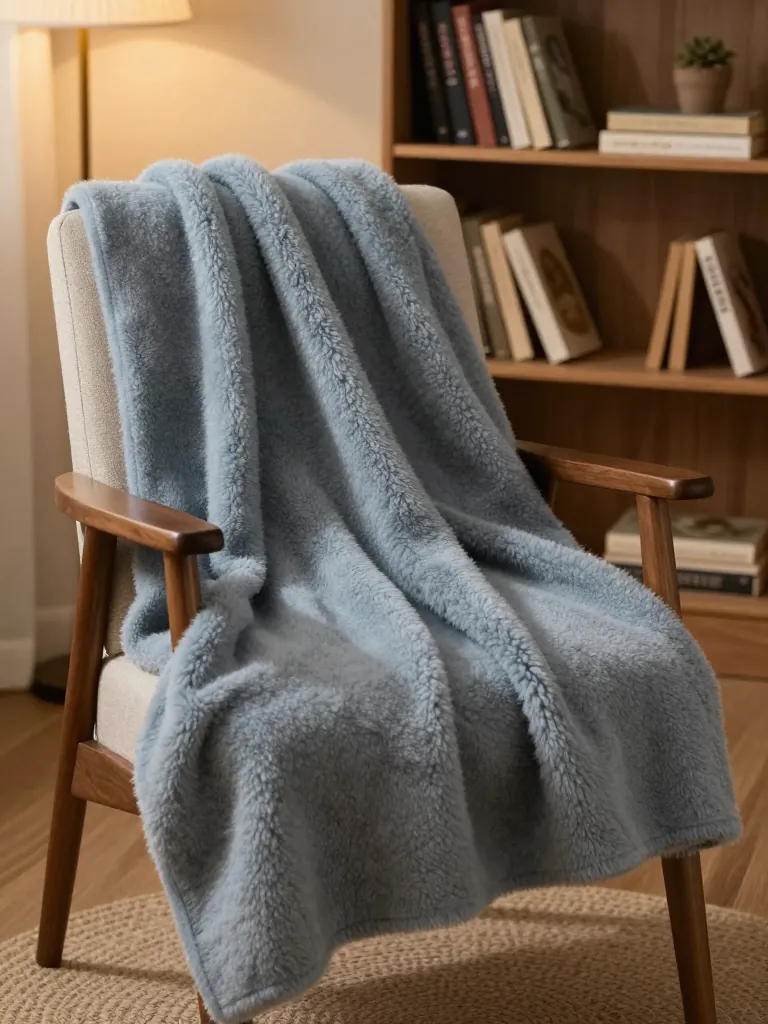
Acrylic is plastic pretending to be cashmere. It pills, it traps odors, it generates static electricity, and it’s not biodegradable. Alpaca wool is warmer than sheep’s wool, hypoallergenic (no lanolin, which is what causes wool itchiness for some people), and ridiculously soft — think cashmere soft without the environmental concerns of cashmere production. Alpacas also have a lighter environmental footprint than goats or sheep, requiring less food and water and being gentler on pastureland. An alpaca throw is a splurge, but it’s the kind of textile that becomes a family heirloom.
Warmth RatioWarmer than sheep’s wool, lighter weight
Investment BrandsAlpaca Collections, Arms of Andes, Kuna
Essential Tips for Building a Sustainable Textile Home