
Handmade imperfections meet modern kitchens in the most gorgeous way possible
There’s something about a handmade tile backsplash that mass-produced ceramic just can’t touch. Maybe it’s the way light catches the uneven glaze, or how no two tiles are exactly alike — like fingerprints on your walls. Zellige tiles, with their centuries-old Moroccan roots, have become the go-to for homeowners who want a kitchen that feels warm, grounded, and deeply personal. If you’re after that earthy, organic vibe that makes a kitchen feel like a place people actually want to gather, these twelve ideas will point you in the right direction.
1. Classic White Zellige for Quiet Warmth
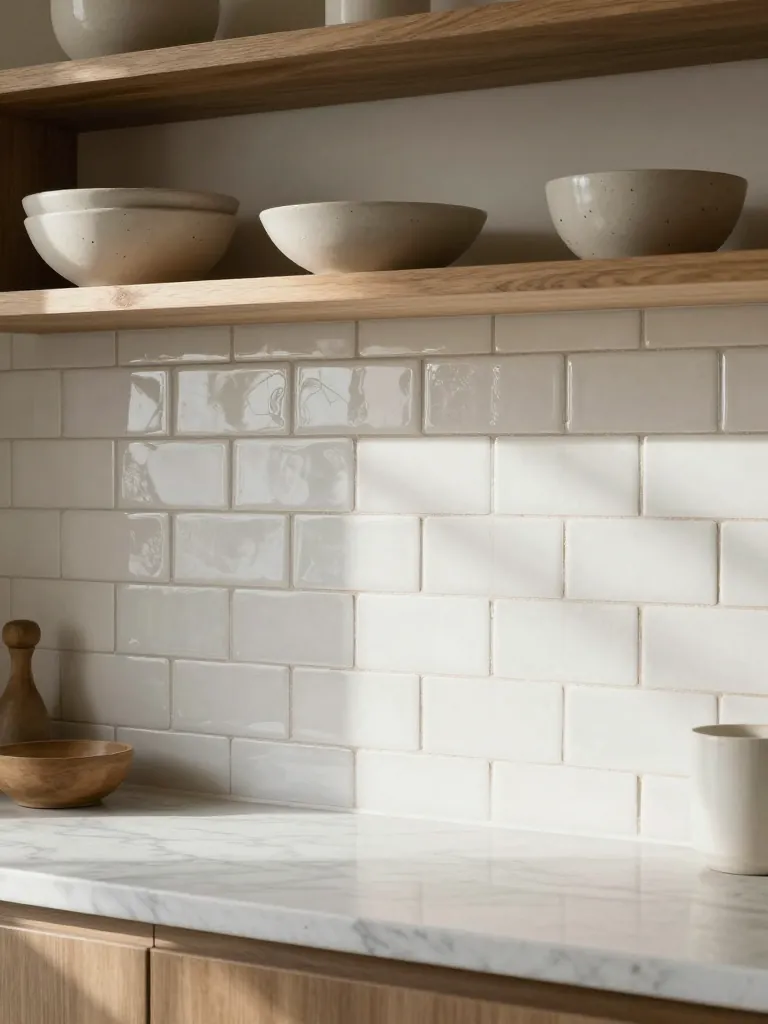
White zellige is the gateway drug of handmade tiles. It reads as clean and bright like standard white subway tile, but the irregular surfaces, color variations, and glossy finish add layers of depth that flat factory tiles can never match. In a kitchen with wood countertops or warm-toned cabinetry, white zellige keeps things light while still feeling handmade and intentional. The subtle shade shifts between tiles — some slightly creamier, others cooler — create a surface that changes throughout the day as the light moves across it. It’s white, but it’s alive.
Tile Size4×4 inch square tiles are the most common and versatile for backsplash use
Why It WorksHandmade irregularity turns ‘basic white’ into something with real character
2. Sage Green Zellige for Earthy Tranquility
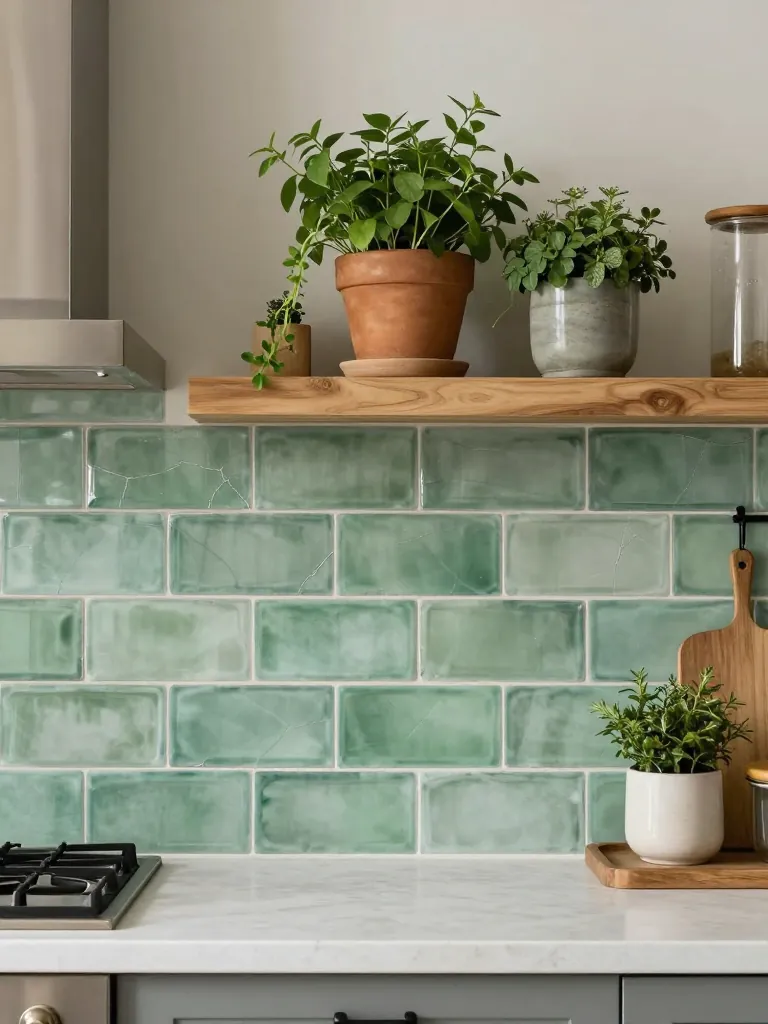
If you want a backsplash that feels like bringing a piece of nature indoors, sage green zellige is it. The muted, grayed-out green works beautifully with both warm wood tones and cool stone surfaces. It’s not as bold as emerald or as expected as plain green subway tile — the handmade glaze gives it an almost mossy, weathered quality that feels like it’s been part of the kitchen forever. Pair it with brass hardware and unlacquered fixtures for a look that’s equal parts Mediterranean and modern organic.
Glaze VariationEach tile shifts between sage, gray-green, and hints of olive — the variation is the beauty
MoodCalm, grounded, and slightly herbal — like your kitchen has a garden connection
3. Terracotta Handmade Tiles for Sun-Baked Warmth
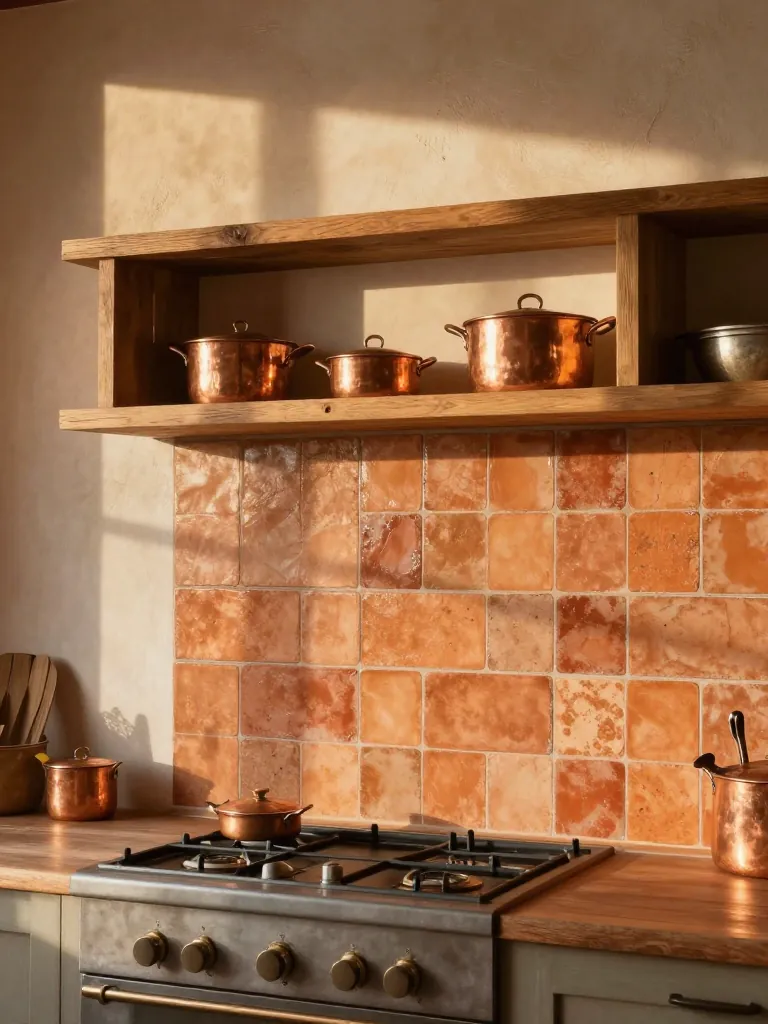
Terracotta tiles on a backsplash are an instant mood shift — suddenly your kitchen feels like a farmhouse in Tuscany or a sun-drenched Mexican courtyard. The beauty of handmade terracotta is that no two tiles have the same shade. You’ll get everything from pale apricot to deep burnt orange within the same installation, which gives the surface a warmth and depth that machine-made terracotta can’t replicate. Use them in a herringbone pattern for a modern twist on a classic material, or go with a traditional straight lay to let the color variation do all the talking.
Pattern IdeasHerringbone, basketweave, or a simple offset brick pattern all work beautifully
Color RangeExpect pinks, oranges, reds, and even rust-brown tones in a single batch
4. Matte Black Zellige for Moody Depth
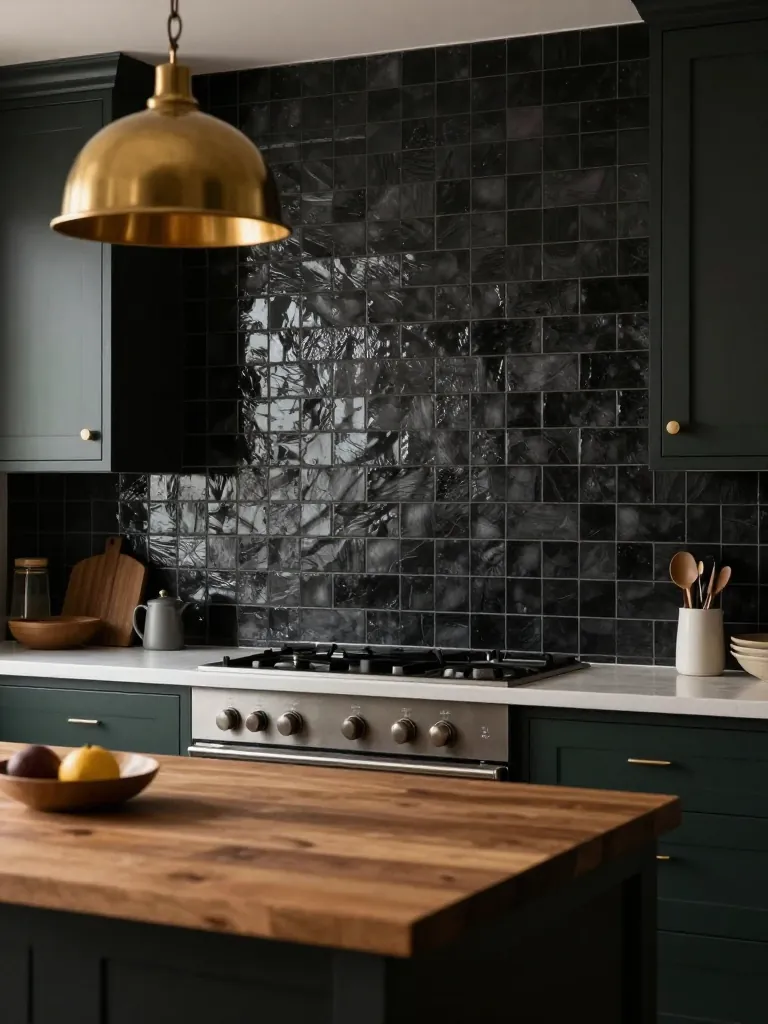
Forget glossy black subway tile — matte black zellige is in a completely different league. The handmade glaze absorbs light in unpredictable ways, creating a surface that looks almost like wet clay or aged leather depending on where you’re standing. In a kitchen with deep green or navy cabinetry, a black zellige backsplash adds serious depth without the harshness of shiny black tile. It’s moody, sophisticated, and surprisingly versatile. The key is the matte finish — it keeps things organic and tactile rather than sleek and modern.
Lighting NoteUnder-cabinet lighting is essential — it reveals the glaze variations in the matte finish
Grout ChoiceUse dark charcoal or matching black grout to let the tile texture be the star
5. Mixed Earth Tones for a Collected Look
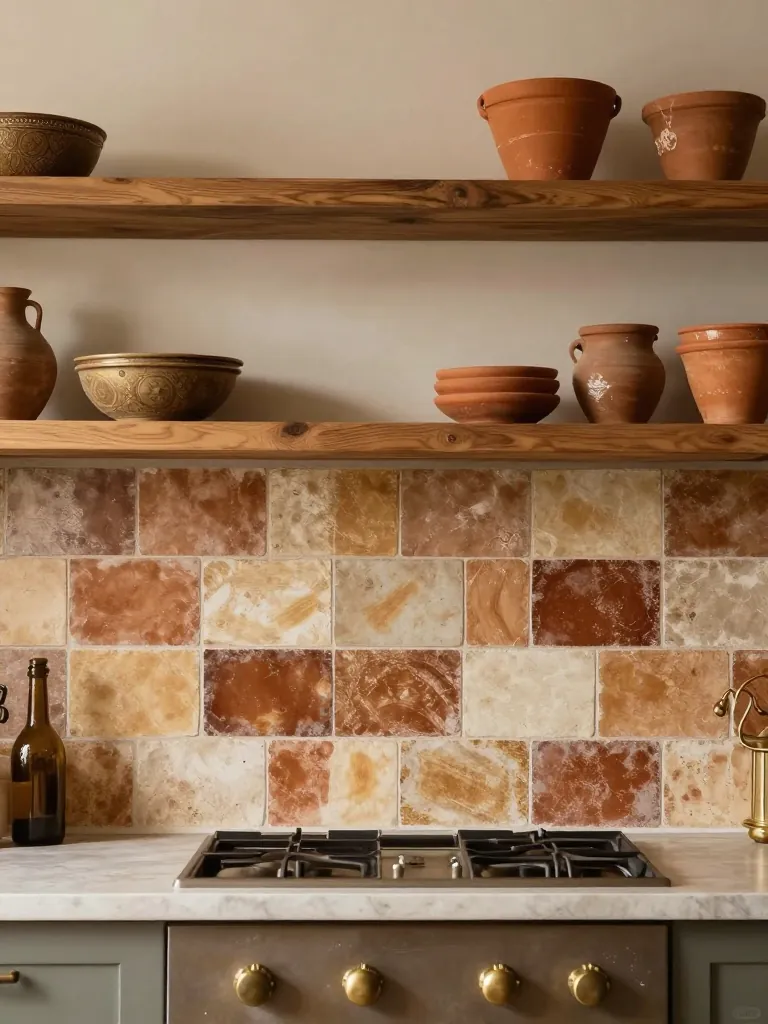
Who says your backsplash has to be one color? Mixing earth-toned handmade tiles — soft browns, warm tans, creamy whites, muted rusts, and clay pinks — creates a backsplash that looks like it was curated over years rather than installed in a day. This approach works especially well in eclectic or bohemian-leaning kitchens where the overall aesthetic is layered and personal. The handmade quality ties the different colors together, since they all share that same imperfect, glazed character. Think of it as a patchwork quilt for your walls.
Layout TrickLay tiles out on the floor first and randomize the pattern before installing
VibeCollected, warm, and effortlessly personal — like a well-traveled kitchen
6. Zellige Running to the Ceiling for Drama
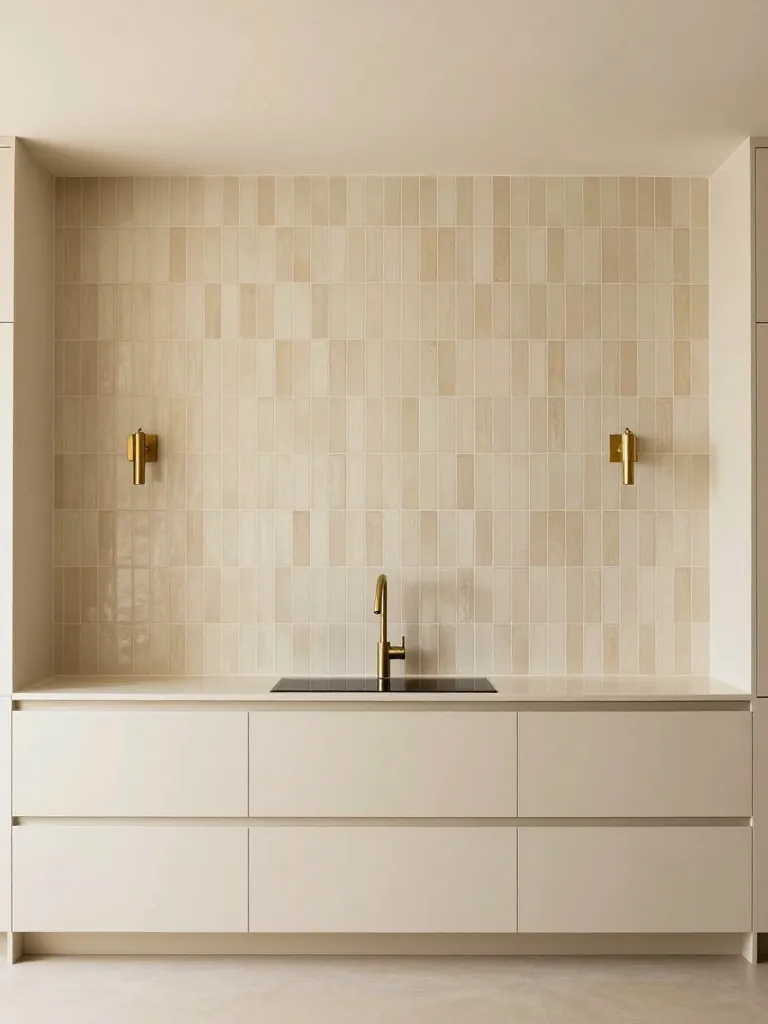
Most backsplashes stop at the upper cabinets and call it a day. But when you run zellige tiles all the way to the ceiling, especially behind open shelving or a range hood, it completely transforms the kitchen. The vertical expanse of handmade tile becomes a focal wall — architectural, dramatic, and undeniably gorgeous. The light plays across hundreds of irregular surfaces, creating movement and shimmer that a standard backsplash just can’t achieve. Yes, it costs more. Yes, it’s absolutely worth it.
Cost RealityExpect 2-3x the material and labor cost compared to a standard backsplash height
Visual ImpactMakes ceilings feel taller and the kitchen feel like a designed space, not just a workspace
7. Terracotta Zellige in Fish Scale Pattern
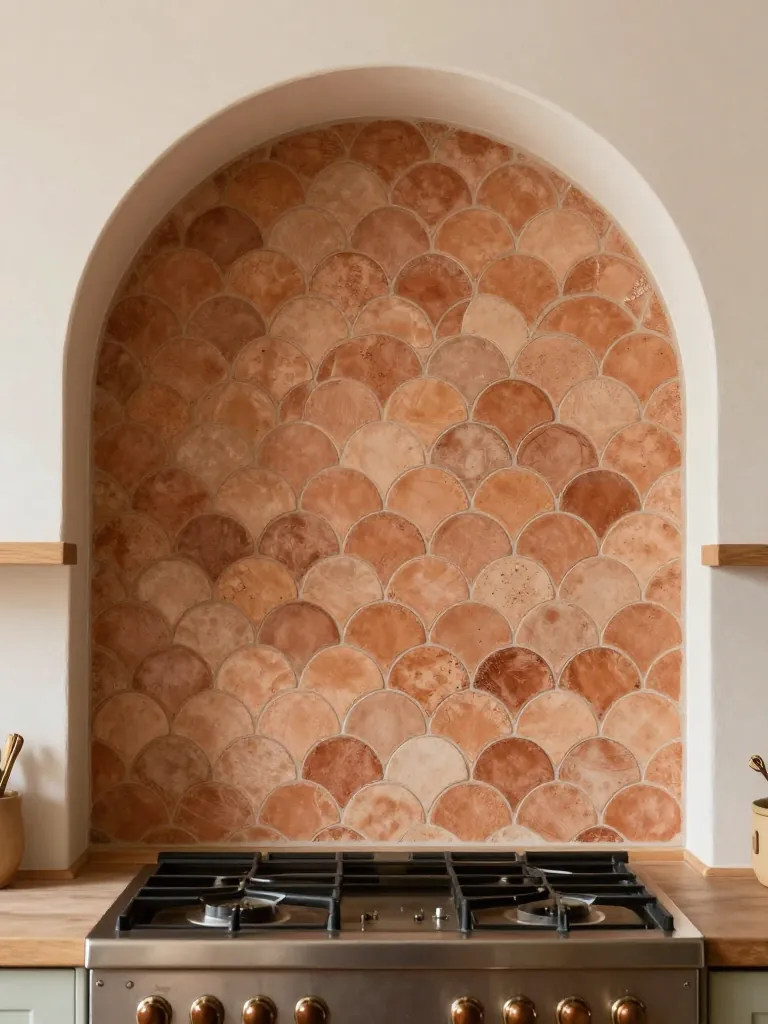
Square and rectangular tiles are great, but if you want your backsplash to be a genuine conversation starter, look at fish scale zellige. These scalloped, curved tiles create an organic, flowing pattern that’s completely different from the grid-based layouts everyone expects. In warm terracotta or clay tones, fish scale zellige evokes traditional Moroccan and Mediterranean craftsmanship — the kind of detail you’d find in a centuries-old riad. The curves soften a kitchen full of straight lines (countertops, cabinets, appliances) and add a handcrafted artistry that’s impossible to replicate with mass-produced tile.
Installation NoteFish scale tiles require more skill to install — hire an experienced tile setter
Where It ShinesBest as an accent area (behind range or in a niche) rather than the full kitchen
8. Soft Clay and Blush Tones for Warm Minimalism
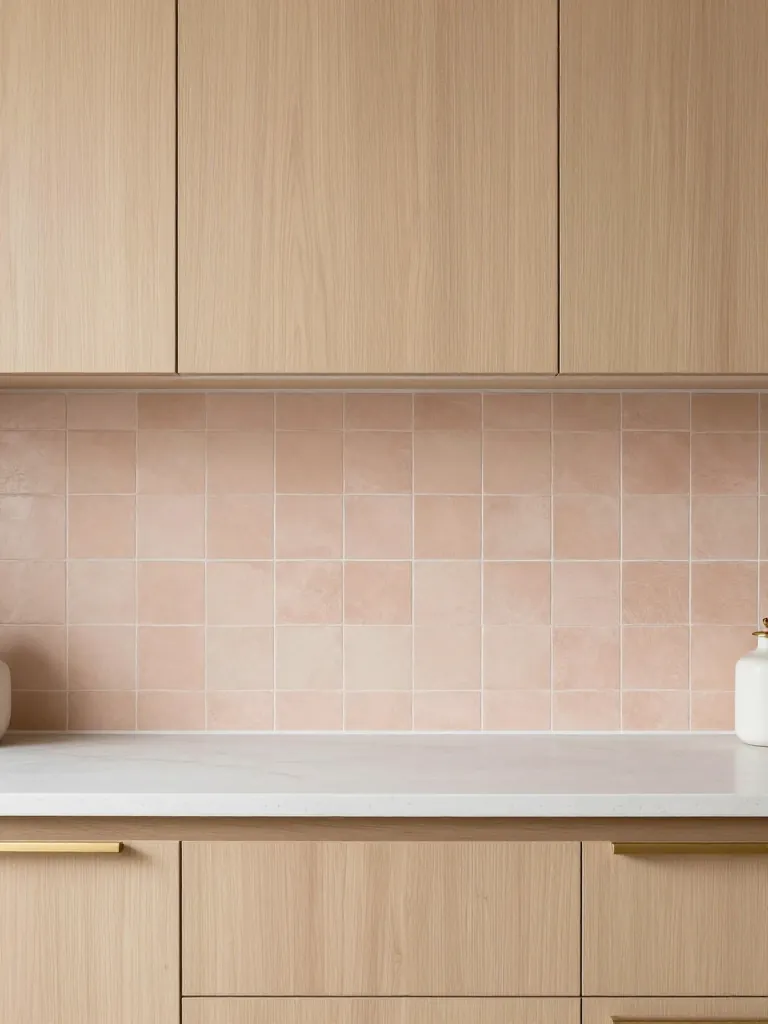
Not every earthy kitchen has to lean rustic. Soft clay and blush-toned handmade tiles bring warmth to a minimalist kitchen without adding visual noise. The muted pinks and warm beiges read as neutral at first glance, but up close, the handmade glaze reveals subtle color shifts that give the surface life and movement. In a kitchen with light wood cabinetry and simple hardware, a clay-toned backsplash adds just enough warmth and character to keep the space from feeling cold or sterile. It’s the minimalist’s version of going earthy.
Pairs WithWhite oak, light maple, matte black hardware, concrete countertops
AvoidVery glossy finishes — matte or satin glazes feel more organic and modern
9. Moroccan-Style Geometric Zellige
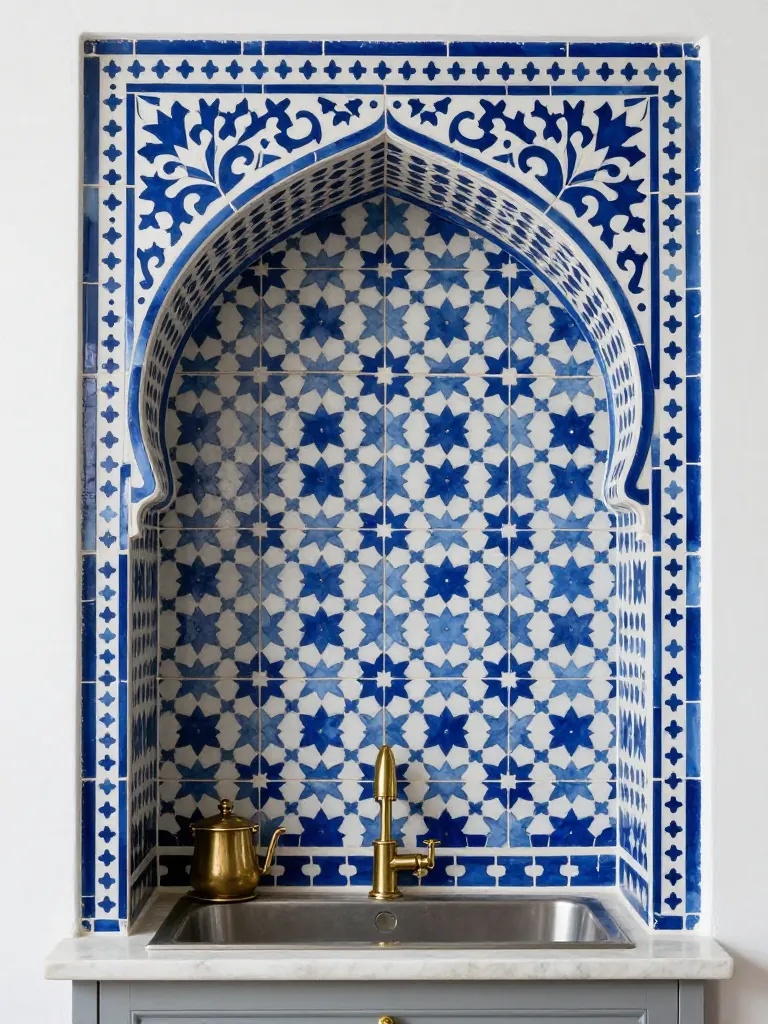
For those who want pattern without going overboard, traditional Moroccan geometric zellige delivers intricate designs in handmade form. Star-and-cross patterns, hexagonal mosaics, or interlocking shapes in blue and white (or earth tones for a warmer palette) create a backsplash that’s clearly artisanal and deeply rooted in craft tradition. The handmade quality means the patterns aren’t perfectly precise — and that’s exactly what makes them beautiful. Each tile has slightly different glaze intensity, so the geometric pattern shimmers and shifts rather than reading as a flat, printed graphic.
Scale MattersSmaller geometric patterns can feel busy — consider using them as an accent band
Authenticity CheckLook for hand-cut zellige from Morocco or Fez for genuine geometric patterns
10. Weathered Gray Zellige for Organic Coolness
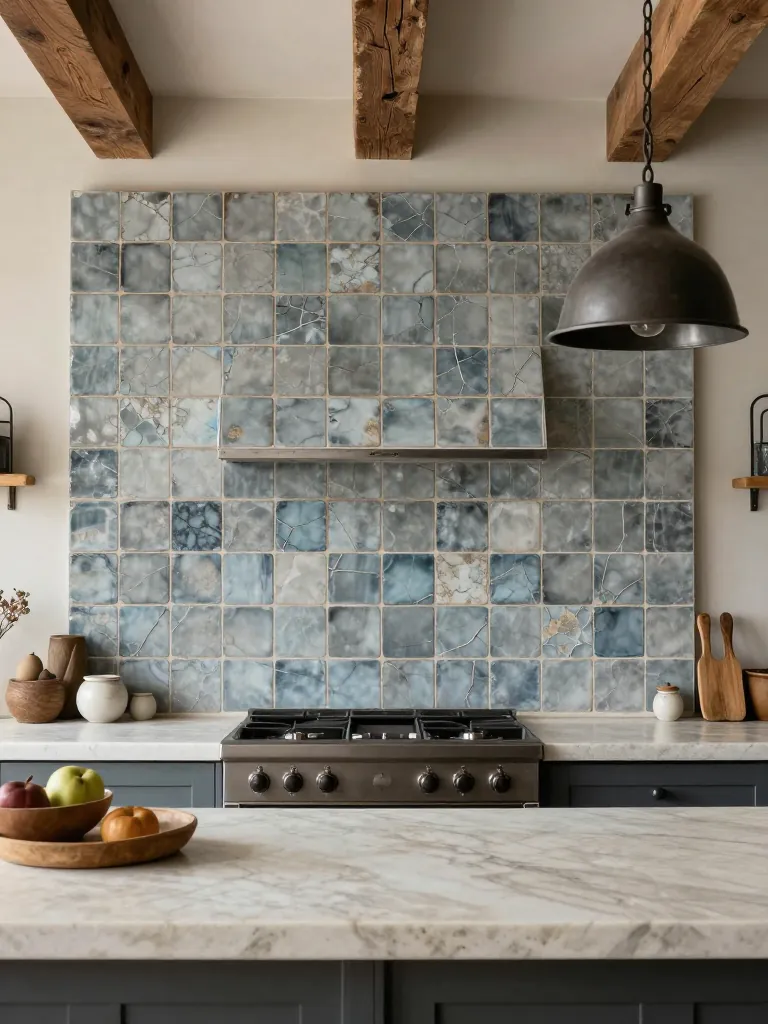
Not all earthy tones run warm. Weathered gray zellige — think stone, driftwood, storm clouds — brings a cool organic energy that works beautifully in kitchens with stone countertops, iron fixtures, and cooler-toned wood. The crackled glaze on many gray zellige tiles adds an aged, almost archaeological quality, like the tiles were salvaged from a European farmhouse and lovingly reinstalled. This color works especially well in kitchens where the warm-earthy look would feel too expected — it proves that earthy doesn’t have to mean brown and orange.
Glaze TextureCrackled or crazed glaze adds patina and depth — embrace it, don’t fight it
Lighting ImpactGray zellige shifts between blue-gray and warm pewter depending on the light
11. Handmade Subway Tile With a Twist
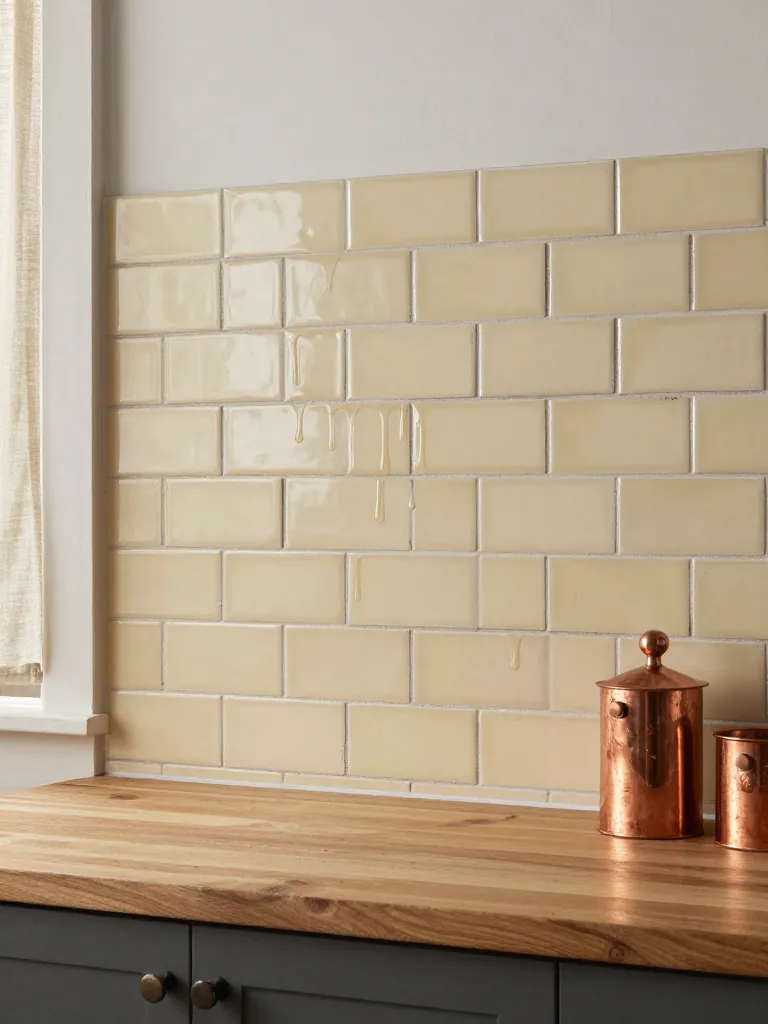
Love the subway tile look but want it to feel more alive? Handmade subway tiles are the answer. They keep the familiar rectangular shape and classic brick-lay pattern, but every tile is slightly different — thicker in some spots, thinner in others, with glaze that pools and drips in ways factory tiles never allow. In warm cream, ivory, or soft white, handmade subway tiles give you the timeless backsplash you were already considering, but with the warmth and character of something that was actually made by human hands. It’s the best of both worlds: familiar shape, unfamiliar soul.
Layout OptionsTraditional brick offset, vertical stack, or herringbone all work with handmade subway
Sizing2×6, 3×8, and 3×12 are popular formats that feel modern but handmade
12. The Full Terracotta-Zellige Kitchen Wrap
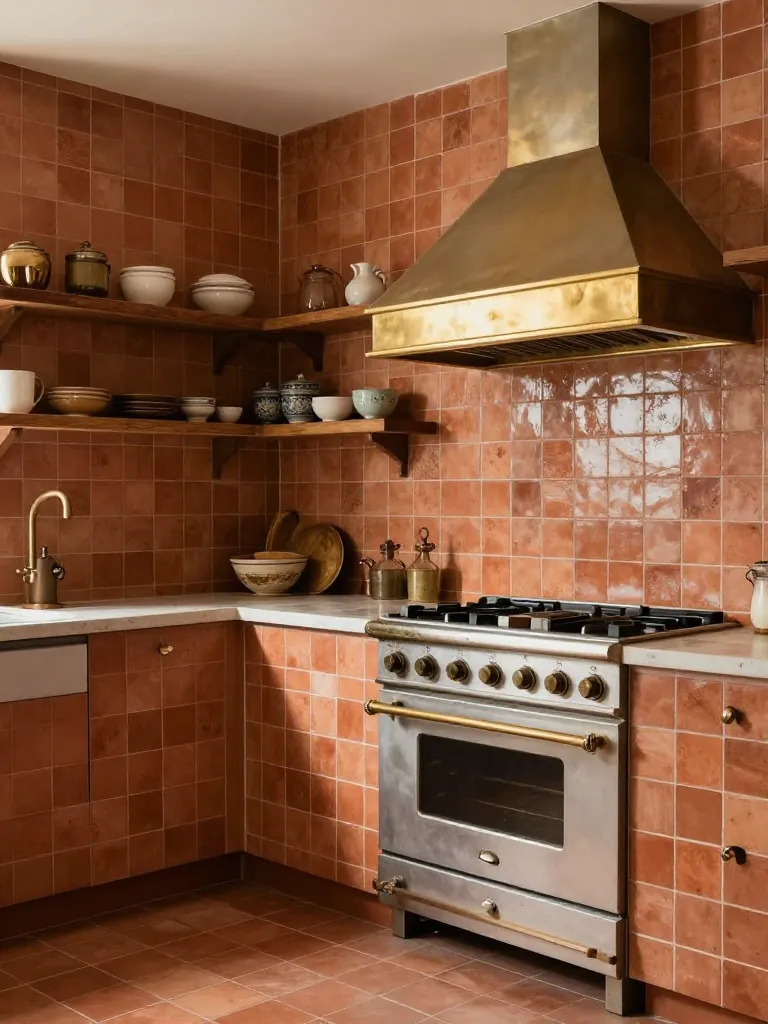
This is the move for people who are fully committed to the handmade tile life. Instead of limiting your zellige to a small backsplash strip, wrap it around corners and onto adjacent walls. The continuous expanse of handmade tile — especially in warm terracotta or rich clay tones — makes the kitchen feel like it was carved from the earth itself. It’s immersive, it’s bold, and it’s the kind of design decision that makes a kitchen feel truly custom. The irregular surfaces catch light differently as they turn corners, creating subtle shifts in color and sheen that give the room an almost ancient, timeless quality.
Budget NoteWrapping onto extra walls adds cost but creates an effect that a backsplash strip never can
The FeelingYour kitchen stops feeling like a room and starts feeling like a space carved from clay