
The secret to plush, designer-looking pillows isn’t the cover — it’s what’s inside
You’ve spent hours picking the perfect pillow covers. The linen is soft, the pattern is right, the colors work with your sofa. But when you stuff them with whatever inserts you had lying around, they look flat, lumpy, and vaguely sad. Here’s the thing nobody tells you: the insert is doing 80% of the work. A cheap, flat insert makes a $60 cover look like a $6 clearance bin find. But the right insert, sized and shaped correctly, turns any cover into something that looks like it belongs in a designer catalog. These 14 tips will change how you shop for, size, and style your pillow inserts — and your living room will never look the same.
1. Always Size Up Your Insert by 1–2 Inches
This is the single most important rule in pillow inserts, and most people get it wrong. If your pillow cover is 20×20 inches, your insert should be 22×22 inches — or even a 20×20 cover with a 22×22 fill. That extra inch or two in each direction fills out the corners, eliminates the sad floppy edges, and gives the pillow that rounded, overstuffed look that screams “I know what I’m doing.” The pillow should look like it’s about to burst at the seams when you’re stuffing it into the cover. That tension is what creates the plump, cloud-like shape. Too-small inserts leave voids at the corners and make the whole pillow look deflated, even when it’s technically “full.”
Why It WorksThe oversize insert pushes against the cover fabric, creating tension that rounds out the edges and fills corners
Common MistakeBuying the same-size insert as the cover — this is why your pillows look flat and sad
2. Choose Down or Down-Alternative Over Basic Polyester
Not all fills are created equal. Basic polyester fiberfill — the kind that comes in a plastic bag at the dollar store — clumps, flattens, and loses its shape within weeks. Down inserts (or high-quality down-alternative if you’re avoiding animal products) maintain their loft, feel pillowy soft, and can be fluffed back to life with a quick karate chop on top. Down-alternative has come a long way — brands now make hypoallergenic fills that mimic the squish and recovery of real down without the allergens or the price tag. The difference in how a pillow looks and feels with a quality insert versus a cheap one is night and day. One looks like it belongs in a magazine. The other looks like it belongs on a dorm room floor.
Price RangeQuality down-alternative inserts start around $15–$25 each; real down runs $30–$60+ depending on fill power
The TestSqueeze it — a good insert bounces back immediately; a cheap one stays compressed and feels crunchy
3. Use a Higher Fill Power for Loftier Pillows

Fill power measures how much space one ounce of down occupies — higher number means more loft, more air, more plush. For throw pillows that need to hold their shape and look perky on a sofa, aim for 650 fill power or higher. Anything below 550 will flatten out and need constant re-fluffing. If you’re going for that “hotel pillow” look — the kind that looks too perfect to actually use — 700 to 800 fill power is your sweet spot. These inserts are lightweight but incredibly full, so the pillow looks massive without feeling heavy. It’s the difference between a pillow that holds its shape and one that collapses the second someone leans on it.
Bed Pillows700–850 fill power — the extra loft supports the head and holds up to nightly use
Down-AlternativeLook for “high-loft” labels instead of fill power — the best alternatives mimic 600–700 fill down
4. Match Insert Shape to Cover Shape

This sounds obvious, but you’d be surprised how many people shove a square insert into a round cover or cram a standard rectangle into a lumbar shape. The result is always lumpy, misshapen, and vaguely tragic. Round covers need round inserts. Rectangular lumbar covers need rectangular inserts. Bolster covers need bolster inserts. When the insert matches the cover’s geometry, the pillow looks intentional and polished. When it doesn’t, every fold and wrinkle in the cover tells you something’s wrong inside. Most major brands sell inserts in round, rectangular, and bolster shapes — you just have to actually buy the right one instead of grabbing whatever’s cheapest.
Bolster TipBolster inserts should be slightly longer than the cover to keep the ends from caving in
Lumbar SizingA 12×20 lumbar cover works best with a 14×22 insert — same 1–2 inch upsizing rule applies
5. Double Up Inserts for Extra Plumpness
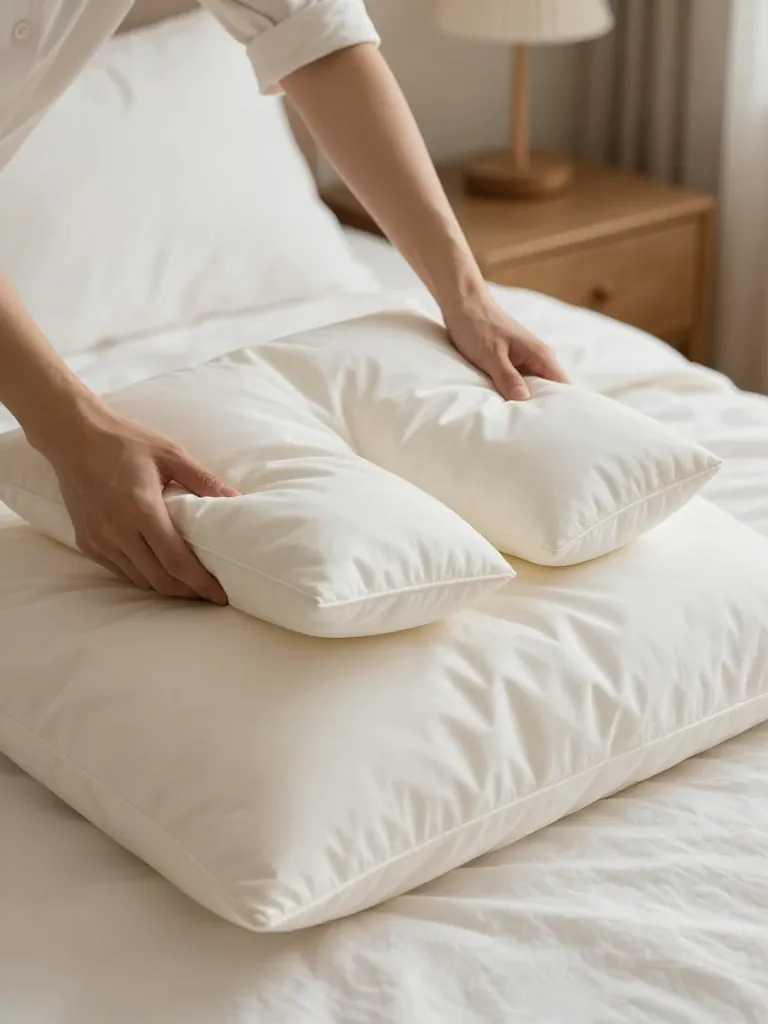
If one insert isn’t cutting it, use two. Layering two thinner inserts inside one cover creates a fuller, more dimensional pillow than a single thick insert can achieve. This works especially well with down-alternative inserts that tend to compress over time — two thin ones stacked together hold their shape better than one thick one that gets sat on daily. The trick is to make sure both inserts are the same size and neither is lumpy. Put them in together, adjust so the seams don’t line up, and zip the cover closed. The pillow will look like it cost three times what you actually spent. Hotels do this trick constantly — that’s why their pillows always look impossibly full.
When To TryWhen your cover is extra large (24×24 or bigger) and a single insert still leaves it looking deflated
Cost HackTwo cheap inserts can outperform one expensive one — stacking creates loft that budget fills can’t achieve alone
6. Fluff and Chop Every Morning

The “karate chop” isn’t just an Instagram aesthetic — it’s a real technique that makes pillows look styled and intentional. Grab the pillow from both sides, squeeze inward, and give the top a firm chop with the edge of your hand. That single crease at the top gives the pillow shape, dimension, and the look of someone who actually cares about their home. Beyond the chop, a daily fluff — grabbing the pillow from the corners and shaking it, then patting it into shape — keeps the fill distributed evenly and prevents flat spots. Down and down-alternative inserts recover beautifully from a good fluff. Polyester doesn’t, which is another reason to invest in better fill.
FrequencyFluff daily, deep-fluff (remove and redistribute fill) monthly for down-alternative inserts
Why It MattersA freshly chopped pillow looks styled and intentional — a flattened pillow looks neglected, no matter how nice the cover is
7. Invest in Ticking-Proof Covers for Down Inserts
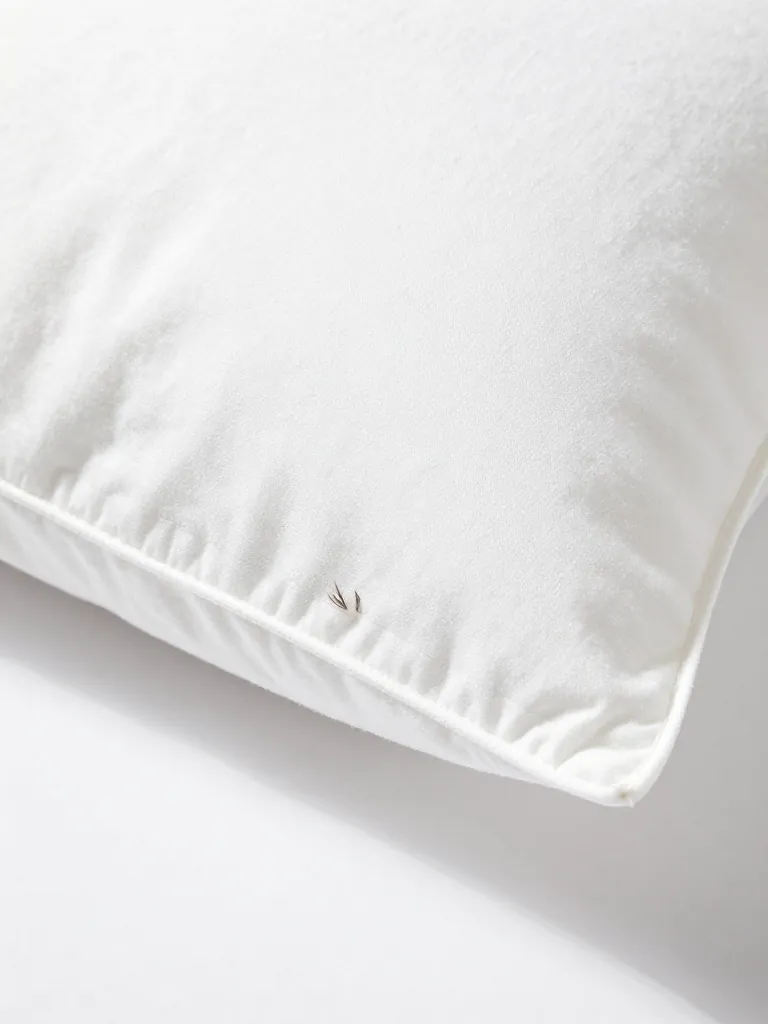
If you’re using real down inserts, spend the extra $5 on ones with a tight, ticking-proof fabric shell. Regular cotton casings let feather quills poke through — you’ve seen those tiny sharp points sticking out of pillows at budget hotels. That’s what happens when the shell fabric is too loose. Ticking-proof covers use a high-thread-count, tightly woven fabric that keeps every quill inside where it belongs. The pillow looks smooth and clean from the outside. No tiny spikes, no rough spots, no embarrassing feather shedding on your nice linen cover. It’s a small upgrade that makes a huge visual and tactile difference.
Thread Count230+ thread count cotton shell minimum for down — anything less will shed feathers eventually
If It’s Too LateIf quills are already poking through, a pillow protector between the insert and cover stops the problem
8. Use Firm Inserts for Outdoor and High-Traffic Pillows
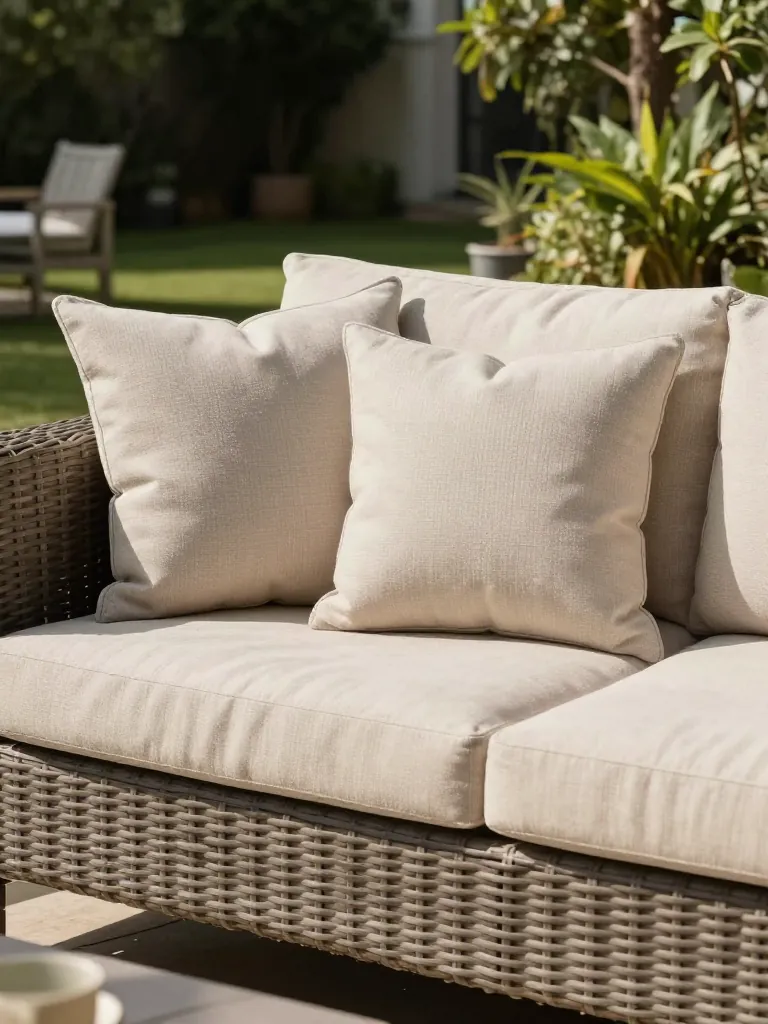
Outdoor pillows and pillows in homes with kids or pets need a different strategy. Soft, luxurious down inserts don’t hold up to rain, spills, or being used as a wrestling prop. For these high-abuse zones, go with firm, quick-drying polyester or outdoor-specific inserts that are treated to resist moisture and mildew. They won’t feel as squishy as down, but they’ll keep their shape through seasons of use and abuse. The key is still sizing up — a 22×22 firm outdoor insert in a 20×20 weather-resistant cover will look full and inviting even after a summer of rainstorms and sticky fingers.
SizingStill go 1–2 inches larger than the cover, even with firm outdoor inserts — they compress too
MaintenanceStand outdoor inserts on edge after rain to drain — don’t leave them flat and soggy on the cushion
9. Rotate Insert Sizes for Visual Depth
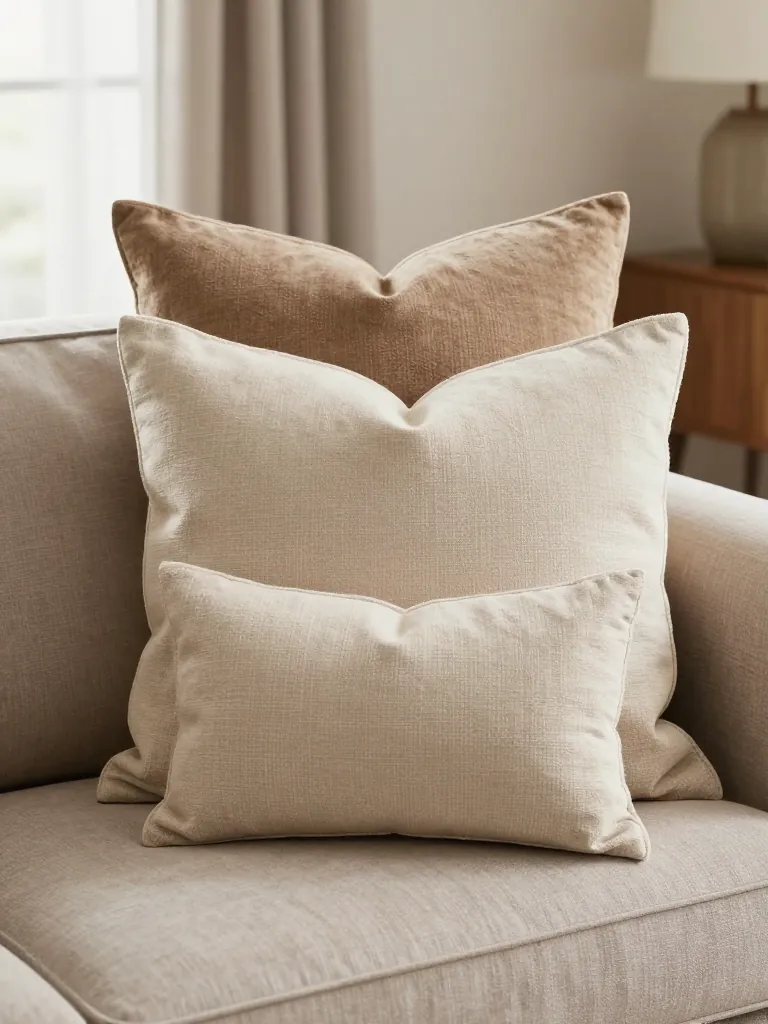
A sofa with four identical 20×20 pillows looks like a hotel lobby. A sofa with a mix of sizes — a 24×24 in back, a 20×20 in the middle, and a 14×20 lumbar in front — looks like it was styled by someone who knows what they’re doing. The size variation creates depth and visual interest. Each pillow has its own role: the large one provides a backdrop, the medium one adds pattern or color, and the lumbar ties it together. But this only works if every insert is properly sized for its cover. A 24×24 cover with a 22×22 insert will look saggy next to a correctly sized lumbar — the proportions will be off and the whole arrangement will feel unbalanced.
Why Size Mix WorksDifferent sizes create layers and shadow lines — your eye reads them as depth, which makes the sofa look more inviting
Proportion RuleEach pillow should be at least 2 inches smaller than the one behind it — anything less and they look like duplicates
10. Vacuum-Pack Inserts for Seasonal Storage
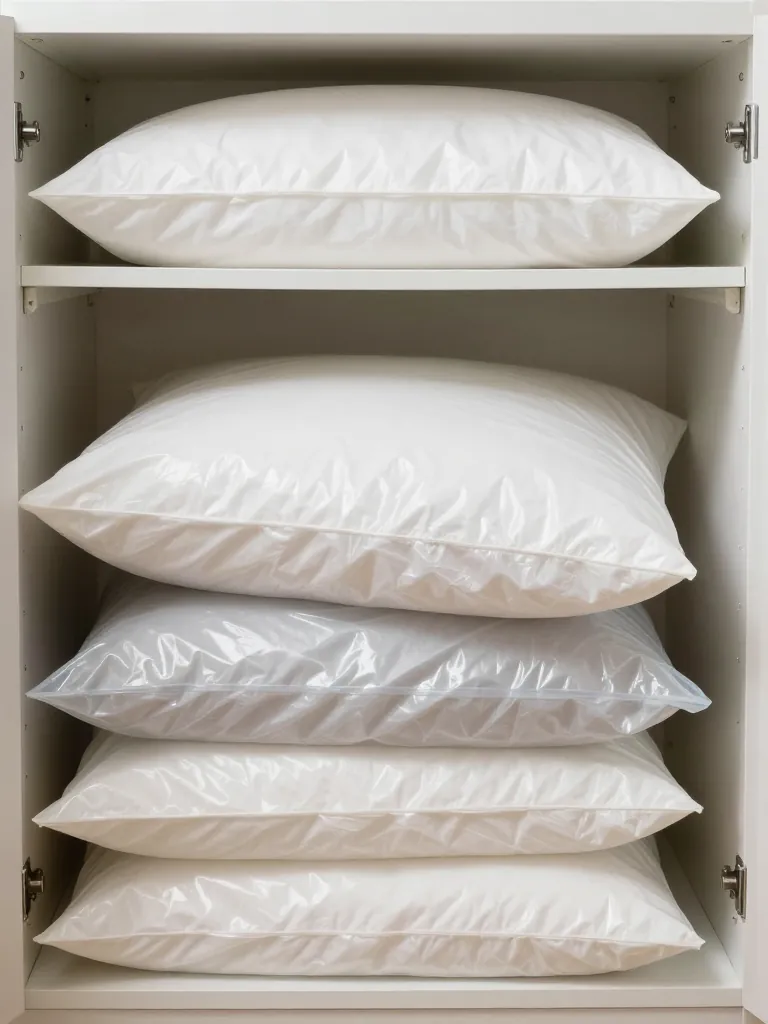
Swapping pillow covers seasonally is a great way to refresh your space, but storing a pile of bulky inserts takes up half your closet. Vacuum storage bags solve this completely — flatten the inserts down to a fraction of their size, stack them on a shelf, and pull them out when the season changes. The key is to fluff them back to life properly when you unpack. Down inserts recover almost completely from vacuum compression. Down-alternative takes a bit more work — give them 24–48 hours to decompress, then fluff aggressively by hand or toss them in the dryer on low heat with a couple of tennis balls. Don’t leave them compressed for more than 6 months, or the fill can permanently lose some of its loft.
RecoveryDown bounces back in hours; down-alternative needs 24–48 hours plus a dryer cycle with tennis balls
Time LimitDon’t leave inserts vacuum-compressed longer than 6 months — extended compression can permanently crush the fill
11. Layer Textures, Not Just Colors
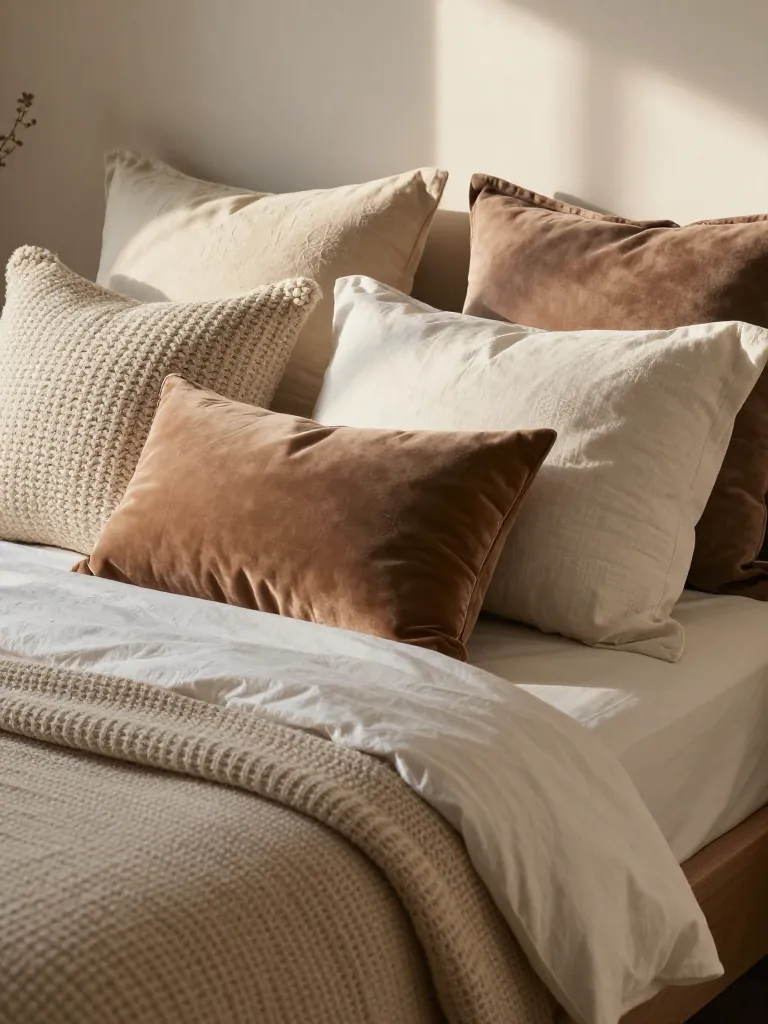
The most expensive-looking pillow arrangements aren’t about matching colors — they’re about layering textures. A chunky knit cover next to a smooth velvet next to a natural linen next to an embroidered cotton. Each texture catches light differently, creates a different shadow, and adds a different tactile experience. But here’s the insert connection: different textures need different insert firmness. A thick knit cover needs a firmer insert so the texture can show through without the pillow looking floppy. A thin linen cover needs a softer, downier insert so the fabric drapes naturally. Matching insert firmness to cover weight and texture is the detail that separates “thrown together” from “designed.”
Mix GuideAim for at least 3 different textures on one sofa — smooth, nubby, and woven is a reliable combination
Shadow PlayTextured covers create shadows that make pillows look dimensional — a flat satin pillow in a lineup of textures looks cheap by comparison
12. Replace Inserts Before They Die
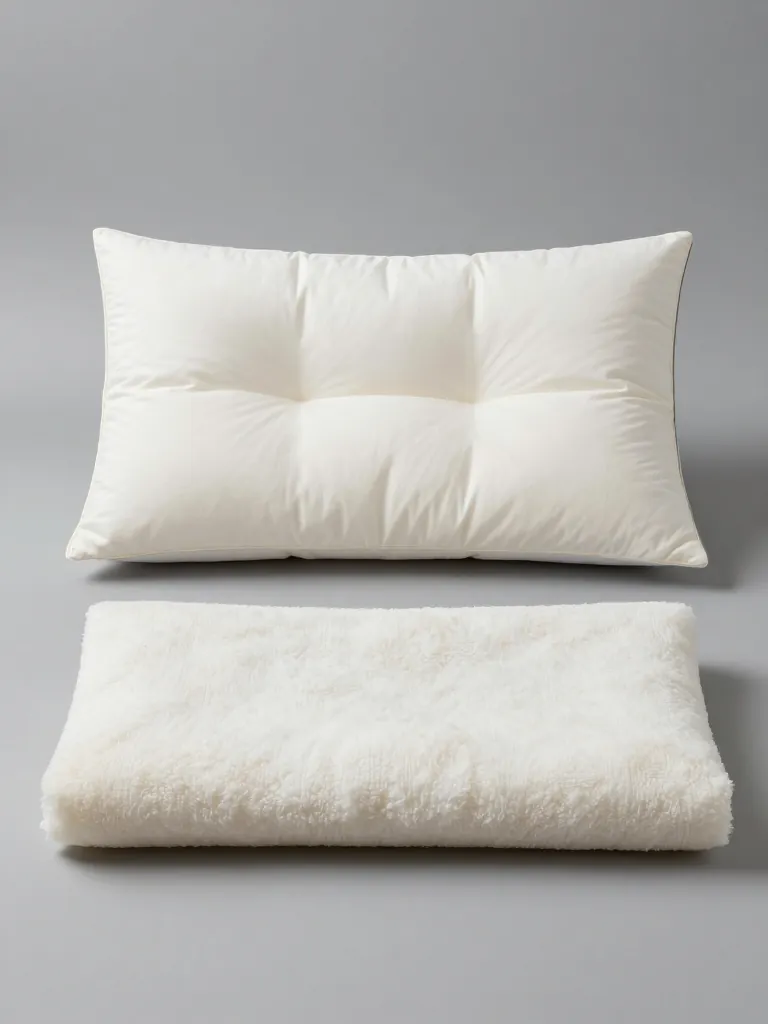
Pillow inserts have a lifespan, and most people keep them way past their expiration date. Down inserts start losing noticeable loft after 2–3 years of daily use. Down-alternative can go flat in 1–2 years depending on quality. And basic polyester? Six months before it’s basically a fabric-covered pancake. When your pillow stops bouncing back after a fluff, when it looks flat even inside a properly sized cover, when you can fold it in half and it doesn’t spring open — it’s dead. Replace it. No amount of beautiful covers or clever styling can save a pillow with a dead insert. Think of inserts like tires on a car — they wear out, and when they do, everything else performs worse.
The Fold TestFold the insert in half — if it springs open immediately, it’s still good. If it stays folded or opens slowly, replace it.
Budget MoveBuy inserts in bulk during sales (January white sales, Prime Day, Black Friday) — they’re always needed eventually
13. Match Insert Firmness to Pillow Purpose
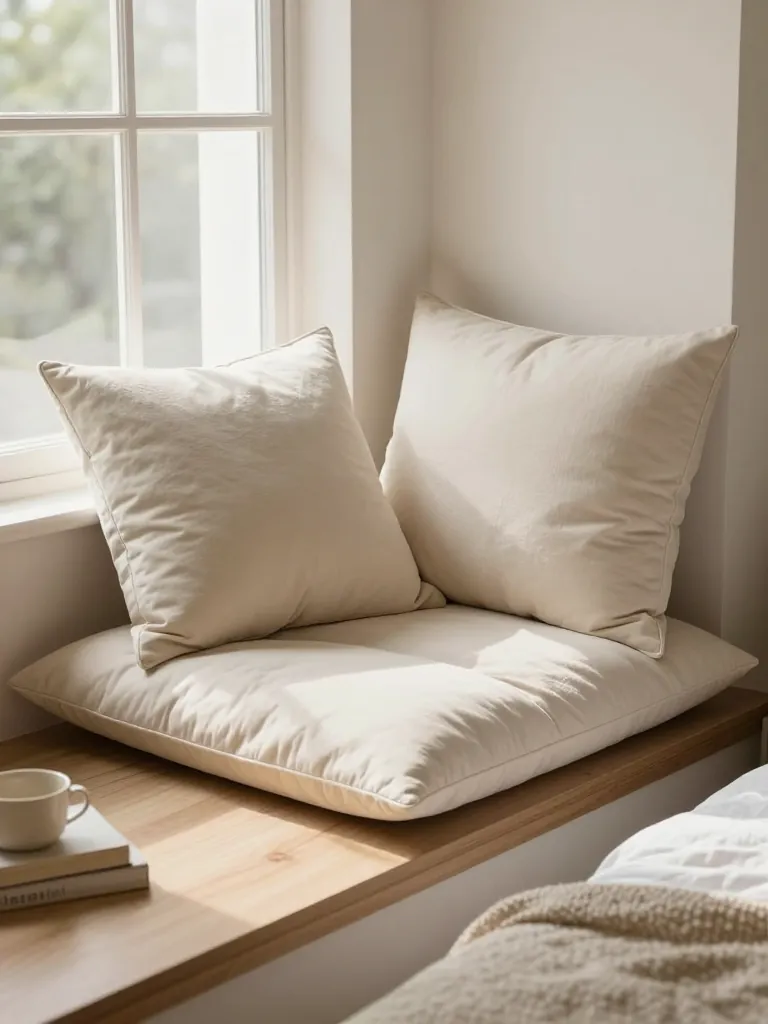
Not every pillow needs the same firmness. A decorative pillow on a sofa that nobody leans on should be medium-firm — enough to hold its shape and look plump, but soft enough to feel inviting. A lumbar pillow on a desk chair needs to be firm to actually support your back. A throw pillow on a bed can be softer since it gets tossed aside at night. Matching insert firmness to the pillow’s actual job means each one looks and feels right for its context. A too-firm decorative pillow looks stiff and uncomfortable. A too-soft lumbar pillow looks floppy and does nothing for your spine. Think about what each pillow actually does before you fill it.
Lumbar/Back SupportFirm — needs to maintain shape under pressure and actually support your posture
Bed AccentSoft to medium — gets tossed around at night, should feel cozy when you accidentally roll onto it
14. Buy Better Inserts Than Covers
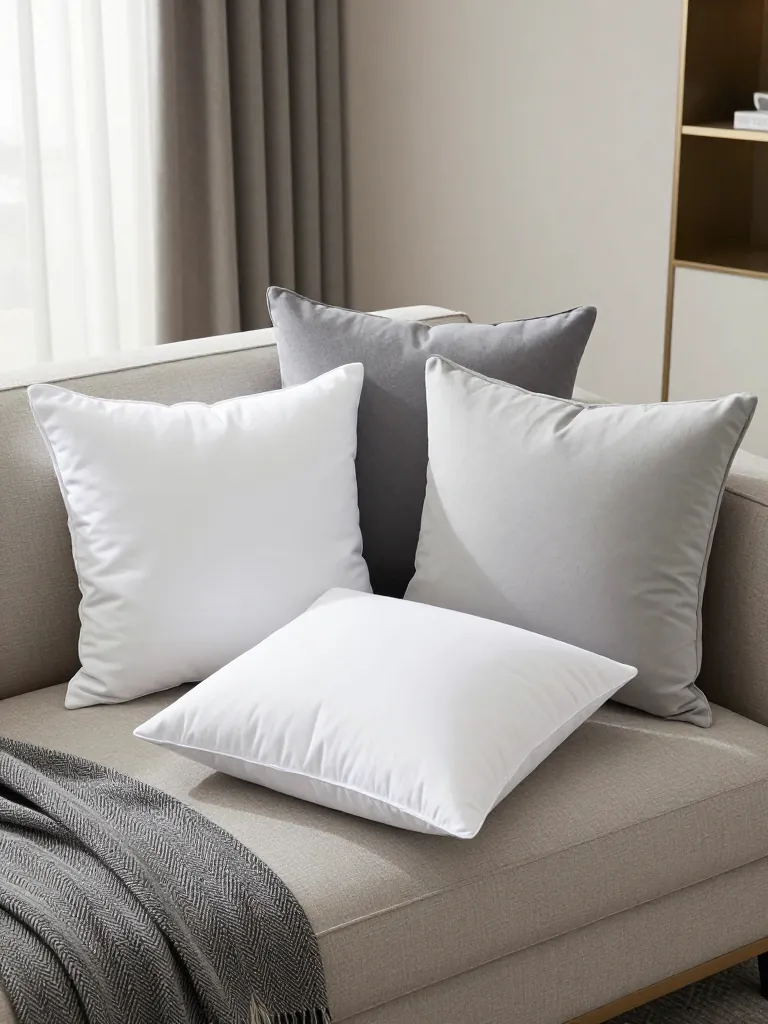
This is the counterintuitive tip that changes everything: spend more on the insert than the cover. A $40 down-alternative insert inside a $15 linen cover from Target will look a hundred times better than a $60 designer cover stuffed with a $5 polyester fill. The insert determines the shape, the loft, the feel, and the longevity. The cover is just the outfit — the insert is the body underneath. You can swap covers seasonally for $15 a pop and your pillows will always look incredible if the insert is quality. Invest once in great inserts, then go wild with affordable covers. That’s the real designer secret nobody shares.
Where to BuyAmazon Basics down-alternative, IKEA FJÄDRAR, or Target’s Casaluna line — all under $25 with great loft
The Mindset ShiftCovers are disposable fashion. Inserts are the investment. Prioritize accordingly and your pillows will always look expensive.
Essential Tips for Pillow Insert Success